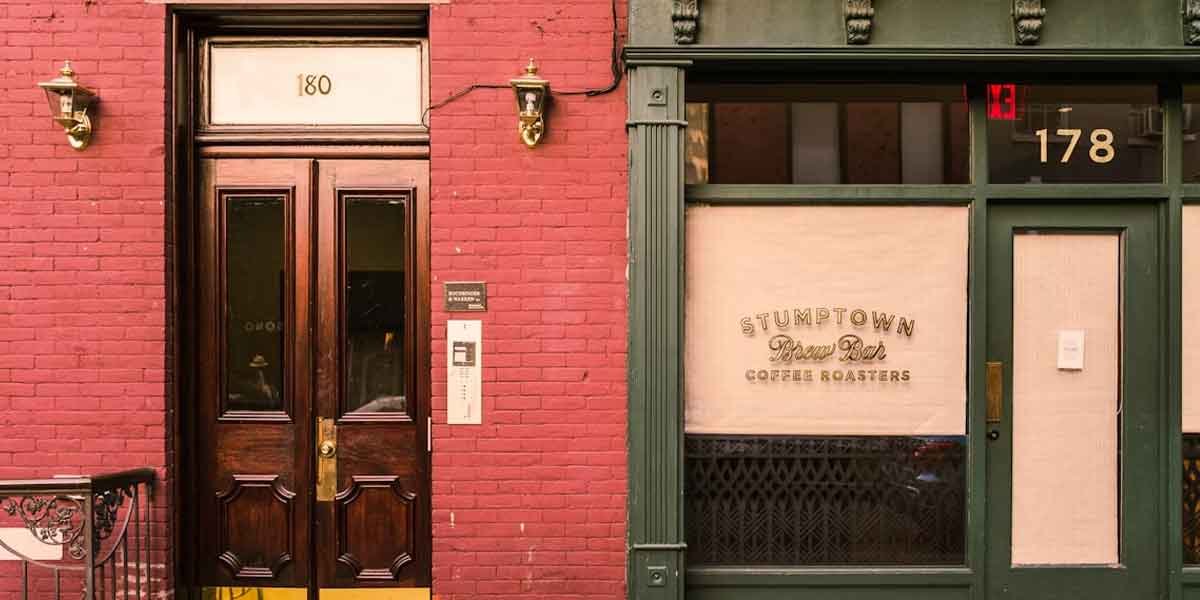
Getting the keys to a new space feels like progress. You can walk through it, picture customers inside, and imagine how the workday will flow once everything’s in place.
It’s also the moment when your business becomes tied to a physical location in a way that’s hard to undo. Walls, floors, wiring, and whatever you move inside all become part of the operation. If something happens to that space, the business feels it immediately.
Many owners don’t think much about that risk at first. There’s too much else going on, and that’s usually when protection gets delayed.
Contents
Why the Space Itself Becomes a Risk Factor
Once you’re operating out of a location, things change fast. Damage doesn’t just mean inconvenience. It can mean closing the doors, even temporarily.
This is why commercial property insurance is so important. It helps cover damage to the physical space and what’s inside it, including equipment, inventory, and improvements you’ve paid for. Without coverage, repairs and replacements often turn into unplanned expenses that hit at the worst possible time.
A lot of owners assume the building owner has this handled. In reality, landlord coverage usually stops at the structure. What you bring in and what you build out is often your responsibility. That misunderstanding catches people off guard.
The Value Inside the Space Adds Up Quickly
It’s not just the obvious items that matter. You’ll collect things like desks, shelving, displays, tools, and tech faster than you think.
Then there’s the work you’ve done to make the space usable. Paint, lighting, flooring, fixtures, and custom features are rarely cheap. If those are damaged, replacing them can delay reopening or force you to cut corners just to get back in business.
Protecting the space means protecting all of that effort, not just the walls around it.
Location Brings Problems You Can’t Control
Some risks come from where the business is, not how it’s run.
Busy areas bring more foot traffic and more chances for accidents. Older buildings can surprise you with plumbing or electrical issues. Weather can create problems even when everything inside is well maintained.
Shared buildings add even more potential risks. A fire, leak, or structural issue next door can affect your space without warning. None of this depends on good planning or careful behavior.
Insurance exists for these kinds of situations, not just obvious disasters.
When Damage Turns Into Downtime
Repairs are one thing. Lost time is another.
If the space can’t be used, income often stops. Rent, utilities and payroll, however, don’t. Even short closures can create long-term problems with cash flow and customers.
Coverage connected to the property can help soften that impact. It gives owners options instead of forcing rushed decisions just to reopen.
Leases Often Shift the Burden
Commercial leases tend to protect the building owner first. Interior damage, tenant improvements, and certain liabilities are commonly pushed onto the business.
Many leases require proof of insurance before move-in and sometimes again at renewal. They may also set minimum coverage limits. Missing those requirements can create problems even when no claim exists.
Insurance helps ensure you’re not violating the lease while already dealing with damage or disruption.
Thinking About Protection Before Opening Day
Insurance works better when it’s part of the setup, not something added later.
Planning coverage alongside inventory purchases and build-out decisions helps match protection to how the space will actually be used. That reduces gaps that only show up after something goes wrong.
As the business grows, the space usually changes too. New equipment, more inventory, or layout changes all affect risk. Coverage should move with those changes.
Ignoring that connection is how businesses end up underprotected.
Final Thoughts
A physical location adds opportunity, but it also adds responsibility. The space becomes part of the business in a very real way.
When protection is in place, problems stay manageable. When it’s not, even minor damage can turn into a major setback. For owners setting up shop, protecting the space is part of protecting the business itself.