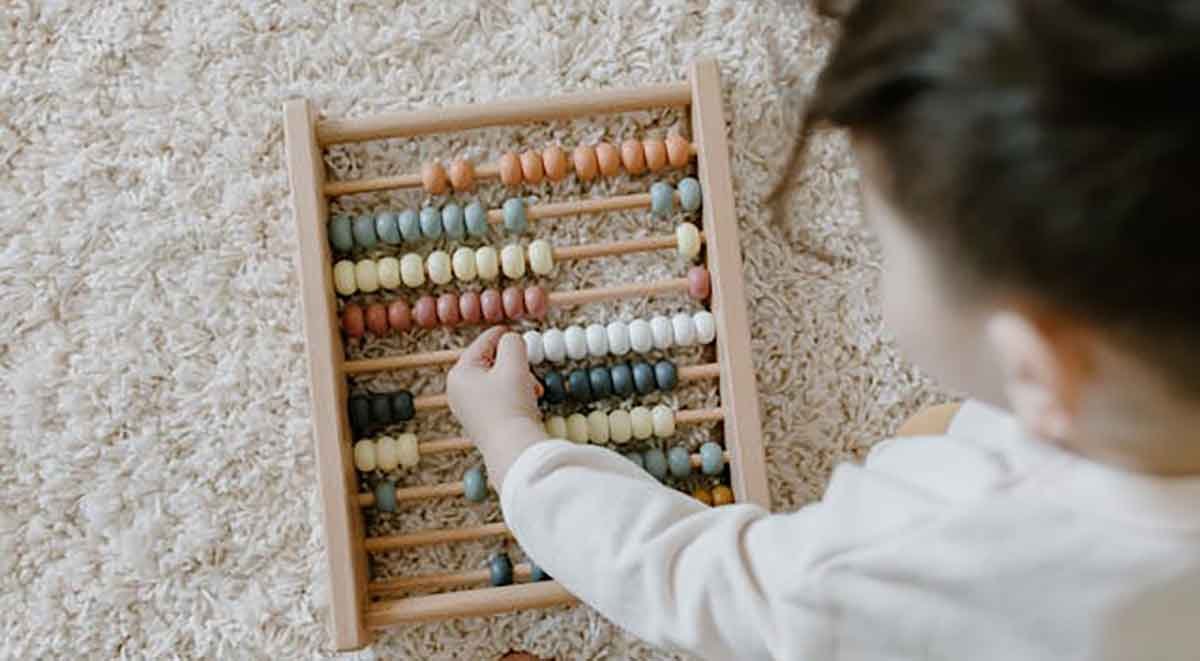
We’ve all seen it, a room full of toddlers that looks less like a classroom and more like a high-stakes game of bumper cars. It’s chaotic and loud. To the untrained eye, it probably looks like pure mayhem. But when we talk about “structured programs,” people sometimes get the wrong idea. They imagine tiny humans sitting at desks doing spreadsheets or memorising historical dates. In reality, structure in the early years is just about creating a predictable, rich environment. It’s a place where kids feel safe enough to actually take risks. It’s the difference between just “watching” a child and actually guiding their development.
Contents
Routine is a toddler’s best friend
Imagine waking up and having no idea if you were going to work, the gym, or the moon. You’d be pretty anxious. Kids feel that exact same way. When a child knows that snack follows circle time and nap follows lunch, their brain finally relaxes. This predictability builds massive amounts of confidence. When a kid isn’t worried about what’s coming next, they have the mental energy to focus on the fun stuff, like figuring out how to share the blue truck or how to stack blocks without them toppling over.
Structure is basically a roadmap for their day. For many families across the wide and busy Australia, looking for the right fit, exploring childcare Dubbo options is a great way to see these programs in action. Local educators there focus on balancing this routine with the unique, adventurous spirit of life in regional NSW. It’s not about being rigid; it’s about giving them a solid ground to stand on.
Social skills as a playground lesson
One of the biggest perks here is the social “laboratory” that a structured program creates. Home is great, but it’s a controlled environment where the child is usually the centre of the universe. In a program, they have to navigate a world of peers. They learn the big stuff through guided play.
Think about turn-taking, which means realising the world doesn’t end if they have to wait two minutes for the slide. Or empathy, like seeing a friend cry and learning how to offer a pat on the back. They also figure out conflict resolution, mainly that using words works a whole lot better than a well-aimed shove. Teachers act as social coaches. They don’t just bark rules; they model how to be a good human. These “soft skills” end up mattering way more than any test score once they hit big school.
The “secret” learning in every activity
In a well-structured environment, every single activity has a hidden purpose. That water table isn’t just for splashing; it’s an introduction to physics. The dress-up corner? That’s narrative building. Rather than boring flashcards, these programs mix literacy and numeracy into daily life. They might count apple slices or sing rhyming songs to build a cognitive foundation without the “study” pressure. Meanwhile, they’re getting a full-body workout. They sharpen fine motor skills through drawing and gross motor coordination in the jungle gym. It ensures no part of their development is left to chance.
The power of emotional regulation
We’ve all been there: the grocery store meltdown because the cereal box was the wrong shade of blue. It’s just part of being little. But structured programs give kids the tools to handle those big, scary emotions. Having clear boundaries and consistent expectations helps them learn where the “lines” are. They find out it’s okay to be frustrated, but there are better ways to handle it. Plus, seeing a friend like Sarah waiting her turn for the swing is powerful. It’s that positive peer pressure that helps them manage their own impulses.
Preparing for the “big” leap
The jump from home to a formal primary school can be a massive shock. A structured early learning program acts as the bridge. It gets them used to a schedule and following directions from an adult who isn’t mom or dad. It makes them feel like part of a community. By the time they get to “big school,” they aren’t overwhelmed by the bells or the lines because they’ve been doing a version of it for years. They arrive ready to learn, instead of spending the first six months just trying to figure out how to sit on a carpet.
Final words
All in all, early learning is all about giving kids a solid foundation. Structured programs take the guesswork out of the day. They provide a safe, stimulating bubble where kids can focus on the most important job in the world: growing up.