Most homeowners think about plumbing only when something goes wrong. A slow drain, a damp patch in the yard, or a foul smell near the bathroom can quickly turn from a small inconvenience into a stressful repair problem. Yet beneath every home is a hidden network of pipes that quietly supports daily life.
Your sewer system may not be visible, but it plays a major role in keeping your home safe, clean, and comfortable. Understanding how it works, when to inspect it, and which repair options are available can help you avoid costly surprises.
Contents
- 1 The Hidden Role of Your Sewer System
- 2 Common Signs Your Sewer Line Needs Attention
- 3 Why Annual Sewer Check-Ups Are Worth It
- 4 Modern Sewer Repairs Are Less Disruptive Than Before
- 5 When CIPP Repair May Be the Right Choice
- 6 How Homeowners Can Reduce Sewer Problems
- 7 Choosing the Right Sewer Repair Professional
- 8 Conclusion
- 9 FAQs
The Hidden Role of Your Sewer System
Every shower, sink, toilet, dishwasher, and washing machine relies on your sewer line to move wastewater away from the home. When everything is working properly, you barely notice it. However, when pipes become clogged, cracked, shifted, or invaded by roots, the effects can be serious.
A damaged sewer line can lead to recurring backups, unpleasant odors, soggy landscaping, foundation concerns, and sanitation issues. Because much of the system is underground, problems often develop quietly before visible signs appear.
This is why routine awareness matters. Homeowners who schedule inspections and respond early to warning signs are often able to avoid larger repairs later.
Common Signs Your Sewer Line Needs Attention
Sewer line issues rarely begin with a dramatic failure. More often, they start with small symptoms that are easy to dismiss.
Slow Drains Throughout the Home
One slow drain may be a local clog. However, if several drains are slow at the same time, the issue may be deeper in the main sewer line.
Gurgling Sounds
If toilets, sinks, or tubs make gurgling noises after use, air may be trapped because wastewater is not flowing smoothly through the pipe.
Bad Odors Indoors or Outdoors
Sewer smells are never something to ignore. They may indicate a broken pipe, poor venting, or wastewater leaking where it should not be.
Wet or Sunken Areas in the Yard
An unusually green patch of grass, damp soil, or a sunken area above the sewer line can suggest leakage underground.
Why Annual Sewer Check-Ups Are Worth It
Many homeowners schedule maintenance for HVAC systems, roofs, gutters, and appliances, but sewer lines are often forgotten. This can be a costly mistake.
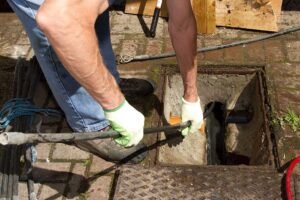
A yearly sewer inspection can reveal root intrusion, pipe corrosion, small cracks, grease buildup, and early blockages before they become emergencies. Modern camera inspections make it possible to see inside the line without digging up the yard.
Homeowners looking for reliable information about hidden plumbing systems may find resources from Shaw Trenchless helpful when learning why annual check-ups are important for underground pipes.
Preventive inspections are especially valuable for older homes, properties with mature trees, homes with frequent drain problems, and houses that have never had a sewer line evaluation.
Modern Sewer Repairs Are Less Disruptive Than Before
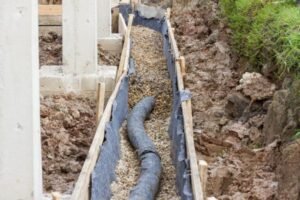
In the past, sewer repair often meant major excavation. Crews would dig trenches across lawns, driveways, patios, or landscaping to reach the damaged pipe. While traditional repair is still necessary in some cases, modern technology now offers less invasive options.
Trenchless methods allow professionals to repair or reinforce certain pipe sections with minimal digging. These solutions can reduce property disruption, shorten repair time, and preserve landscaping.
For homeowners searching online for sewer pipe repair near me, it is important to look beyond convenience and choose a provider that can properly diagnose the issue before recommending a solution.
Not every sewer problem requires the same repair method. A small crack, a collapsed pipe, heavy root intrusion, and severe misalignment may each require a different approach.
When CIPP Repair May Be the Right Choice
CIPP stands for cured-in-place pipe. This trenchless method involves inserting a resin-lined material into the damaged pipe. Once cured, it forms a strong inner lining that can restore function without replacing the entire pipe.
CIPP is often used when the existing pipe still has enough structure to support the liner. It may be suitable for cracks, small gaps, minor leaks, and certain types of deterioration.
A focused cipp point repair can be especially useful when only a specific section of the sewer line is damaged, rather than the entire pipe. This targeted approach may help address the problem without unnecessary excavation.
However, CIPP is not always the answer. If a pipe has fully collapsed, is severely misaligned, or has major structural failure, another repair method may be needed. A proper inspection should always come first.
How Homeowners Can Reduce Sewer Problems
While some sewer issues are caused by age or outside conditions, daily habits also matter.
Avoid flushing wipes, paper towels, hygiene products, cotton swabs, and grease. Even products labeled as flushable can contribute to buildup over time. In the kitchen, pour cooking oils into a container instead of sending them down the drain.
Tree roots are another common problem. If you have large trees near the sewer line, periodic inspections can help detect root intrusion early. It is also wise to keep records of past repairs, inspections, and drain problems so technicians can better understand the system’s history.
Choosing the Right Sewer Repair Professional
A trustworthy sewer repair professional should begin with diagnosis, not guesswork. Look for companies that offer camera inspections, explain findings clearly, and provide repair options based on the actual pipe condition.
Ask whether trenchless methods are available, what warranties apply, and how much disruption to expect. A good provider should be able to explain the pros and limits of each method in plain language.
The goal is not simply to fix the immediate problem. It is to protect the long-term health of your home’s underground plumbing system.
Conclusion
Your sewer system may be hidden, but it should never be ignored. Regular inspections, smart household habits, and early repairs can help prevent messy and expensive emergencies. With modern trenchless options available, many sewer issues can now be handled with less disruption than homeowners expect.
By paying attention to warning signs and choosing the right repair approach, you can keep your home’s essential plumbing network working reliably for years.
FAQs
How often should a home sewer line be inspected?
Many homes benefit from an inspection every one to two years. Older homes, homes with large trees nearby, or properties with recurring drain issues may need more frequent checks.
Are sewer odors always a sign of a serious problem?
Not always, but they should never be ignored. Sewer odors can come from dry drain traps, venting issues, blockages, or damaged pipes.
Is trenchless sewer repair better than traditional digging?
It depends on the condition of the pipe. Trenchless repair can be less disruptive, but severely collapsed or misaligned pipes may still require excavation.
What should I avoid putting down my drains?
Avoid grease, wipes, paper towels, hygiene products, food scraps, and harsh chemical drain cleaners. These can contribute to clogs or pipe damage.
Can small sewer line problems get worse over time?
Yes. Small cracks, root intrusion, and minor blockages can grow into larger issues if left untreated. Early inspection and repair are usually the safest approach.