Utah’s arid climate and recurring drought cycles make proactive water management an operational necessity for homeowners and land managers alike. Preparing your property before summer heat spikes protects your landscape investment, lowers monthly utility expenses, and ensures long-term resilience when local water restrictions take effect.
Contents
- 1 1. Transition to Native Plants and Water-Wise Xeriscaping
- 2 2. Upgrade to Smart Irrigation Controllers and Drip Lines
- 3 3. Protect Soil Moisture with Organic Mulch and Compost
- 4 4. Secure an Independent Water Supply with Private Infrastructure
- 5 5. Implement Legal Rainwater Harvesting and Greywater Reuse
- 6 6. Conduct Routine Leak Audits and Outdoor Plumbing Checks
- 7 Outdoor Drought Preparation Checklist
- 8 Building a Resilient Utah Homestead
1. Transition to Native Plants and Water-Wise Xeriscaping
Traditional lawns featuring non-native turf grass require intense irrigation to survive hot Wasatch Front summers. Replacing non-essential grass with native Utah plants—such as gambel oak, Utah serviceberry, lavender, and blue grama grass—dramatically cuts outdoor water consumption.
Modern xeriscaping blends permeable pavers, decorative gravel, shade trees, and drought-tolerant perennials that thrive in Utah’s alkaline soil. Taking advantage of local Utah xeriscaping incentives, such as municipal turf-replacement rebates, helps offset initial landscaping costs while cutting outdoor water demand by up to 50 percent.
Pro Tip: Focus turf removal on non-functional lawn areas, such as narrow park strips, steep slopes, and side yards, while keeping small grass zones where children or pets actively play.
2. Upgrade to Smart Irrigation Controllers and Drip Lines
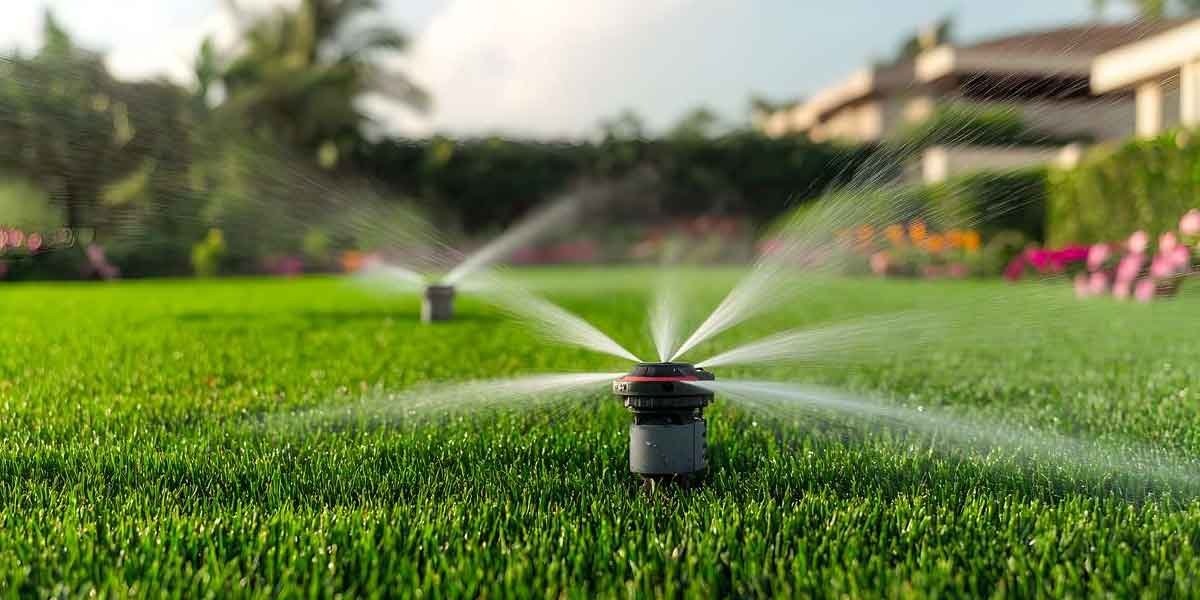
Overhead spray sprinklers lose significant water volume to wind drift and midday evaporation. Converting spray heads in garden beds and tree rings to targeted drip irrigation delivers water directly to root zones without wasting drop volume on sidewalks or driveways.
Installing smart irrigation controllers further optimizes outdoor water use. These Wi-Fi-enabled devices automatically adjust watering schedules based on real-time local weather forecasts, rain delays, and soil moisture levels. The program running for pre-dawn hours ensures maximum soil absorption before sun and temperatures rise.
3. Protect Soil Moisture with Organic Mulch and Compost
Healthy soil acts as a natural sponge, retaining moisture near roots and preventing erosion during intense thunderstorms. Applying a 3- to 4-inch layer of organic bark or wood mulch across garden beds suppresses weed growth and shields soil from baking under the desert sun.
- Compost Incorporation:Till organic compost into sandy or heavy clay Utah soils to improve soil structure and increase water retention capacity.
- Evaporation Reduction:A thick layer of bark or wood chips reduces soil surface evaporation by over 70 percent.
- Temperature Regulation:Mulch keeps soil temperatures up to 10 degrees cooler during peak afternoon heat, reducing plant thermal stress.
4. Secure an Independent Water Supply with Private Infrastructure
As municipal secondary water systems face early seasonal cutoffs and strict day-of-week watering limits, relying solely on public utilities leaves large yards, gardens, and livestock vulnerable.
Investing in private well drilling in Utah provides property owners with a reliable, self-sustained water source for irrigation, livestock, and domestic backup. A private well protects your land from municipal rationing while offering long-term water independence. Evaluating local hydrology, aquifer depth, and water rights with qualified drilling specialists ensures your system provides consistent flow rates during extended dry spells.
5. Implement Legal Rainwater Harvesting and Greywater Reuse
Capturing natural precipitation allows property owners to store valuable runoff from roofs during spring storms for landscape use during dry midsummer months. Under Utah water rights regulations, individuals can legally collect and store up to 2,500 gallons of rainwater in covered containers or underground cisterns with simple state registration.
Setting up rainwater harvesting systems connected to roof downspouts provides a clean, chlorine-free water source for flower beds and gardens. Diverting greywater from household washing machines toward sub-surface landscape irrigation further extends every drop of culinary water used indoors.
6. Conduct Routine Leak Audits and Outdoor Plumbing Checks
Undetected leaks in secondary water lines, main shutoff valves, and underground sprinkler headers waste thousands of gallons of water every season. Performing bi-annual outdoor plumbing inspections catches pressure drops and silent leaks before they cause erosion or ruin hardscapes.
Common Utah Drought Myths vs. Realities
| Drought Myth | Utah Property Reality |
| “Xeriscaping means a yard full of gravel and rocks.” | Water-wise yards feature colorful native flowers, lush shrubs, and vibrant groundcovers. |
| “Rainwater collection is strictly illegal in Utah.” | Homeowners can legally capture up to 2,500 gallons with simple online state registration. |
| “Watering lawns every day prevents browning.” | Infrequent, deep watering builds deeper root systems that withstand heat far better than shallow daily watering. |
Outdoor Drought Preparation Checklist
Before summer heat arrives, run through this quick property audit:
- [ ] Check sprinkler zones for broken, misaligned, or clogged spray nozzles.
- [ ] Apply 3 to 4 inches of organic mulch around trees, shrubs, and flower beds.
- [ ] Program smart irrigation timers to run exclusively between 10 PM and 6 AM.
- [ ] Register rainwater catchment systems with the Utah Division of Water Rights.
- [ ] Inspect well pumps, pressure tanks, and secondary water filter screens.
Building a Resilient Utah Homestead
Preparing your Utah property for drought requires a balanced combination of smart technology, resilient landscaping, and dependable water infrastructure. Transitioning to native plant species, enriching soil health, and securing independent water sources safeguards your land against unpredictable climate cycles. Proactive water stewardship ensures your property remains functional, green, and valuable no matter what weather the season brings.