As more people rely on the internet for work, education, entertainment, and communication, fiber internet has become the gold standard for meeting modern digital demands. Understanding what fiber internet is and how it works can help you decide whether it’s the right choice for your home or business. This is everything you need to know about it, and by the end, you might be keen to make the switch sooner rather than later.
How Fiber Internet Works
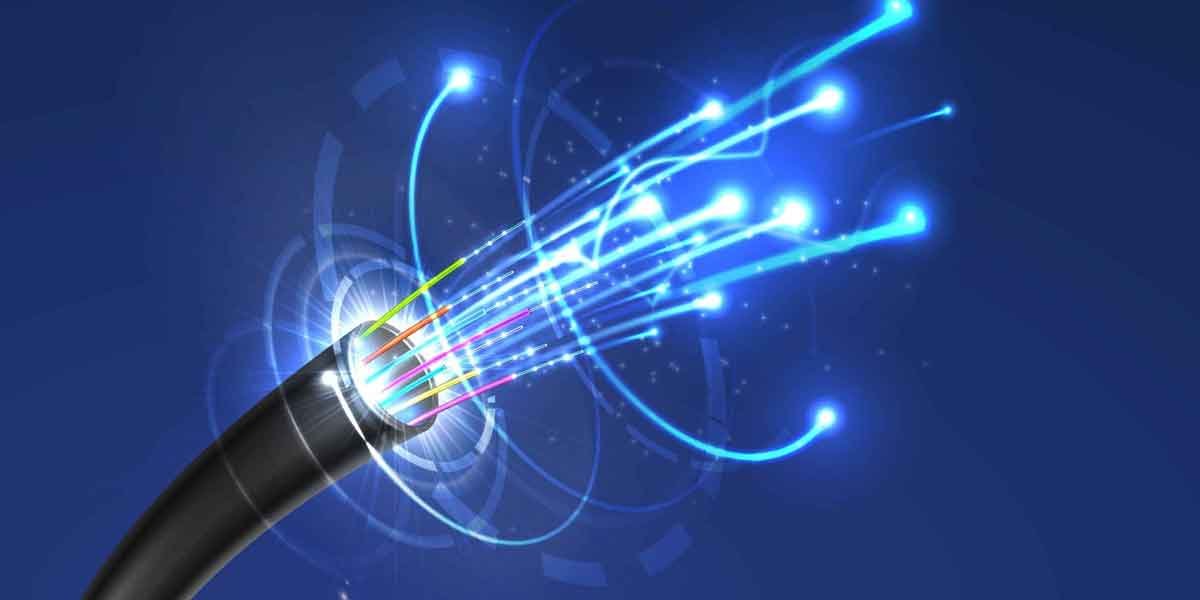
Unlike traditional internet connections such as DSL or cable, fiber internet uses fiber-optic cables made of glass or plastic to transmit data as pulses of light. This method allows information to travel at incredibly high speeds over long distances with minimal signal loss. Because data moves at nearly the speed of light, fiber connections can handle far more information at once than copper-based cables.
This fundamental difference in technology is what gives fiber internet its major advantages in speed, reliability, and performance.
Fiber Internet vs. Traditional Broadband
Traditional broadband services rely on electrical signals sent through copper wires. While these technologies have served users for years, they are more susceptible to interference, congestion, and distance-related slowdowns. Cable internet, for example, often shares bandwidth among nearby users, which can cause noticeable speed drops during peak hours.
Fiber internet provides a more consistent experience because it offers dedicated bandwidth. This means users are less affected by network congestion, resulting in faster and more stable connections throughout the day.
Reliability and Stability
Fiber internet is known for its reliability. Fiber-optic cables are less vulnerable to weather conditions, electrical interference, and signal degradation. As a result, users often experience fewer outages and more consistent performance. For businesses and households that depend on constant connectivity, this reliability can make a meaningful difference in productivity and overall user experience, convincing them to make the switch.
Availability and Expansion
While fiber internet was once limited to select areas, availability continues to expand rapidly. Internet service providers are investing heavily in fiber infrastructure, particularly in urban and suburban regions, to meet growing demand for faster and more reliable connections. Check out the specific locations that Los Angeles fiber internet providers can offer you using their handy search feature or by giving them a call.
Speed and Performance Benefits
One of the most talked-about features of fiber internet is speed. Fiber connections can deliver significantly higher download speeds than DSL or cable, often reaching gigabit levels. Equally important, many fiber plans offer symmetrical speeds, meaning upload speeds are just as fast as download speeds.
This balance is especially valuable for activities like video conferencing, remote work, cloud backups, live streaming, and online gaming. Faster uploads make collaboration smoother and reduce delays when sharing large files or participating in virtual meetings.
Support for Modern Digital Lifestyles
Today’s internet usage goes far beyond simple web browsing. Smart homes, streaming services, connected devices, and cloud-based applications all place increasing demands on network capacity. Fiber internet is designed to support multiple devices and high-bandwidth activities simultaneously without compromising performance. With the chances of technology continuing to evolve very high, fiber will be able to provide the infrastructure needed to handle future digital innovations.
Is Fiber Internet Worth It?
Fiber internet may cost more than some traditional plans, but many users find that the value far outweighs the price. Improved speed, consistency, and reliability can reduce frustration, save time, and support both personal and professional needs more effectively. For users who rely heavily on the internet, fiber is often considered a long-term investment rather than a short-term upgrade.