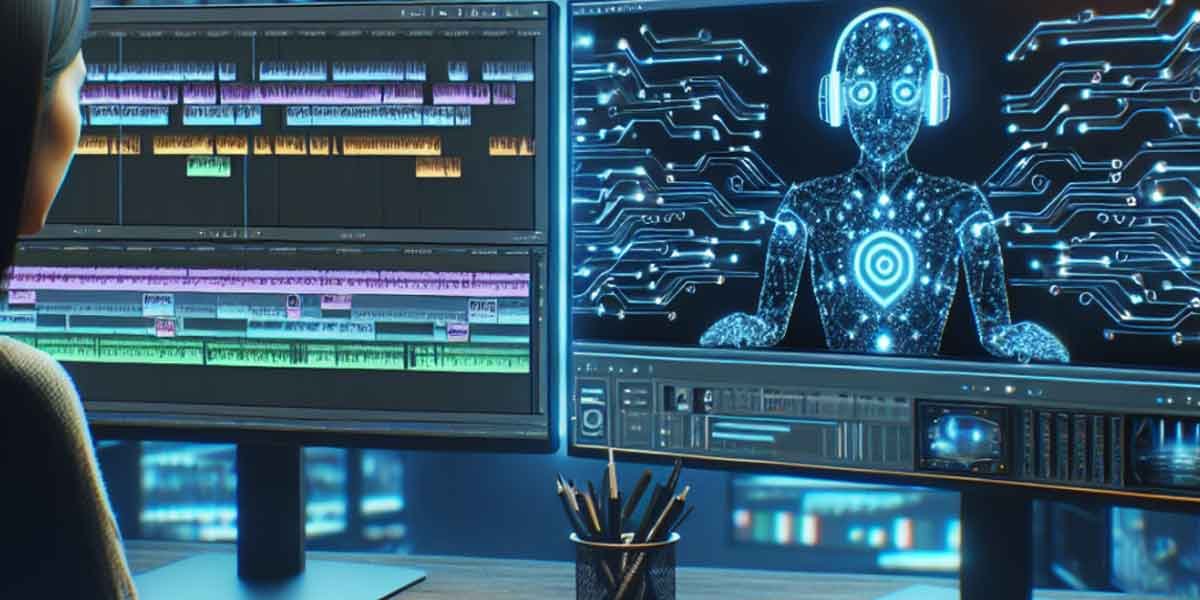
Video has become one of the most important ways for businesses, creators, educators, and marketers to communicate online. Yet producing polished video content still requires time, technical knowledge, and careful coordination between writing, editing, visuals, and sound. As demand for short-form and social-first content continues to grow, creators are looking for practical ways to simplify the production process without sacrificing quality.
Artificial intelligence is changing that workflow. Instead of treating editing and image creation as completely separate tasks, modern creative tools can help bring several stages together. From generating visual concepts to refining footage, AI can reduce repetitive work while leaving creative decisions in the hands of the person producing the content.
Contents
AI Is Simplifying Video Editing
Traditional video editing often involves many repetitive tasks, including trimming footage, organizing clips, adjusting timing, adding captions, and preparing different versions for various platforms. These steps may seem small individually, but they can consume significant time when producing content regularly.
AI-powered editing tools are helping creators handle some of this work more efficiently. A ChatGPT video editor can support workflows where natural-language instructions become part of the editing process, making creative software more approachable for people who may not have extensive editing experience.
This does not eliminate the need for human judgment. Editors still decide which moments matter, how a story should develop, and what emotional tone the finished video should communicate. AI is most useful when it handles routine tasks and allows creators to spend more time on those higher-value decisions.
Generative Images Add More Creative Options
Visual assets are another important part of modern video production. A creator may need a background, concept image, product scene, illustration, or supporting visual that is difficult or expensive to obtain through traditional photography.
Generative image technology provides another route. Tools such as GPT Image 2.5 can help users develop visual ideas from written descriptions, giving creative teams more flexibility during the planning and production stages.
The biggest advantage is not simply generating an image quickly. It is the ability to explore multiple visual directions before committing to a final concept. A marketing team, for example, can experiment with different compositions and styles before selecting the approach that best fits its campaign.
Short-Form Content Is Driving Faster Workflows
Short-form video has changed expectations around production speed. Social platforms encourage creators and brands to publish frequently, which means a workflow designed around one carefully produced video may no longer be sufficient.
AI can help address this challenge by reducing the time spent on repetitive production activities. A single piece of source material can potentially become several variations with different openings, captions, formats, or visual treatments.
However, speed should not become the only objective. Audiences can quickly recognize content that feels generic or disconnected from its purpose. Strong short-form production still depends on clear messaging, appropriate pacing, good visual hierarchy, and an understanding of the intended audience.
The most effective workflow therefore combines automation with editorial judgment rather than replacing one with the other.
Human Creativity Remains Central
As AI becomes more capable, the role of the creator is evolving rather than disappearing. Creative professionals increasingly act as directors of the process, deciding what should be created, which ideas deserve development, and how different assets should work together.
This shift can make production more accessible. Someone with a strong concept but limited technical skills can experiment with visuals, editing approaches, and storytelling techniques without mastering every traditional production tool.
At the same time, human oversight remains essential. AI-generated material can require revisions, fact-checking, visual adjustments, or changes to match a brand’s identity. Original thinking, cultural awareness, and audience understanding are difficult to automate completely.
The technology works best when it expands creative possibilities while keeping final decisions with the creator.
Building a More Efficient Creative Workflow
A practical AI-assisted workflow usually begins with planning. Before generating visuals or editing footage, creators should establish the purpose of the content, target audience, core message, and desired format.
The next stage can involve creating or collecting the necessary assets. AI can assist with concept development, image generation, captions, and other production tasks. Once the basic material is assembled, human editing becomes important for refining pacing, consistency, and storytelling.
Creators should also build review stages into the process. Checking visual accuracy, audio quality, branding, captions, and platform requirements can prevent small mistakes from reaching the final publication.
Over time, teams can identify which repetitive tasks provide the greatest opportunity for automation. This makes AI adoption more practical because technology is introduced where it solves a genuine workflow problem rather than simply because it is available.
Conclusion
AI is becoming an increasingly practical part of modern video production, particularly as creators face pressure to produce more content across more channels. Its value comes from reducing repetitive work, expanding access to creative tools, and making experimentation faster.
Generative images can support visual development, while AI-assisted editing can streamline parts of the post-production process. Together, these capabilities can create a more flexible workflow for businesses, marketers, educators, and independent creators.
Still, technology alone does not create effective communication. Strong results depend on strategy, storytelling, editorial judgment, and a clear understanding of the audience. The long-term opportunity is therefore not to replace creative professionals but to give them better tools for turning ideas into finished content.
As AI continues to develop, the strongest workflows will likely be those that combine automation with human creativity, using each where it provides the greatest value.