Home maintenance is easier to manage when you treat it as an ongoing routine rather than an emergency response. Appliances, heating systems, cooling units, and ventilation equipment all work hard behind the scenes, and small issues can quickly become costly if ignored.
The good news is that many basic upkeep tasks are simple enough for homeowners to handle. However, knowing when to stop and call a trained technician is just as important. A smart approach can help protect your home, reduce stress, and keep your living space comfortable through every season.
Contents
Understanding the Difference Between DIY and Professional Repairs
Many homeowners enjoy handling small repairs on their own. Replacing a refrigerator water filter, cleaning dryer lint buildup, tightening loose cabinet hardware, or resetting a tripped breaker may be perfectly reasonable DIY tasks.
However, not every repair belongs in the DIY category. Electrical faults, refrigerant leaks, gas appliance problems, compressor failures, and complex HVAC issues can be risky without proper tools and training. In some cases, attempting repairs yourself may also void warranties or make the original problem worse.
A helpful rule is simple: if the task involves safety risks, specialized parts, sealed systems, or technical diagnostics, it is better to involve a professional. For more guidance on deciding between simple home fixes and expert help, resources like this website can help homeowners think through the right choice.
Why Preventive Maintenance Matters
Preventive maintenance is one of the most effective ways to avoid unexpected breakdowns. Instead of waiting until an appliance fails, you can identify early warning signs and keep systems running efficiently.
Small maintenance habits can make a noticeable difference. For example, cleaning refrigerator coils can help the appliance cool more effectively. Emptying the dryer lint trap after every load improves airflow and reduces overheating risks. Checking dishwasher spray arms can prevent poor cleaning performance.
Seasonal Checks Make Maintenance Easier
A seasonal routine keeps home maintenance from feeling overwhelming. In spring, you might inspect air conditioning equipment, clean vents, and check outdoor units for debris. In summer, monitor cooling performance and listen for unusual noises. In autumn, prepare heating systems and test smoke or carbon monoxide detectors. In winter, watch for appliance strain caused by heavier indoor use.
A checklist-style approach is especially useful because it helps you stay consistent. If you are unsure what to inspect throughout the year, advice from appliance repair experts can offer a practical framework for keeping essential household systems in better shape.
Keeping Your HVAC System Reliable All Year
Your HVAC system plays a major role in everyday comfort. Whether it is cooling your home during warm months or supporting air circulation during colder seasons, regular care helps the system perform more reliably.
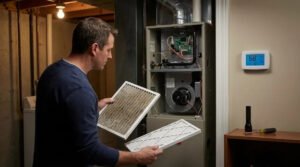
Start with the basics. Replace or clean air filters as recommended by the manufacturer. Keep supply and return vents open and unblocked. Make sure the outdoor unit has enough clearance from leaves, dirt, and overgrown plants. These simple steps support airflow and reduce unnecessary strain.
When Cooling Performance Starts to Drop
If your air conditioner is blowing warm air, cycling too frequently, leaking water, or making unusual sounds, it may need more than basic cleaning. Low refrigerant, electrical problems, thermostat issues, or worn components often require professional service.
Homeowners planning system upgrades or replacements should also think carefully about sizing, installation quality, and long-term efficiency. Poor installation can lead to uneven cooling, higher energy use, and more frequent repairs. For homeowners researching cooling system care and installation topics, ac installation Oakville provides useful insight into year-round HVAC comfort.
Signs You Should Not Ignore
Many home systems show warning signs before they fail completely. Paying attention early can help prevent more serious damage.
Common appliance warning signs include unusual noises, burning smells, water leaks, weak performance, repeated error codes, or sudden increases in energy use. For HVAC systems, watch for poor airflow, inconsistent temperatures, strange odors, short cycling, and unexpected moisture around equipment.
It is also important to trust your instincts. If something looks, smells, or sounds unsafe, stop using the equipment until it has been inspected. Safety should always come before convenience.
How to Build a Practical Home Maintenance Routine
A good maintenance routine does not need to be complicated. Start by listing your major appliances and home comfort systems. Include your refrigerator, washer, dryer, dishwasher, oven, furnace, air conditioner, water heater, and ventilation equipment.
Next, divide tasks into monthly, seasonal, and annual categories. Monthly tasks may include checking filters, cleaning vents, and inspecting visible hoses. Seasonal tasks may include preparing HVAC equipment for heavy use. Annual tasks may include professional inspections, deep cleaning, or performance checks.
Keep a simple record of service dates, repairs, and parts replaced. This makes it easier to spot recurring problems and can be helpful if you sell your home in the future.
Conclusion
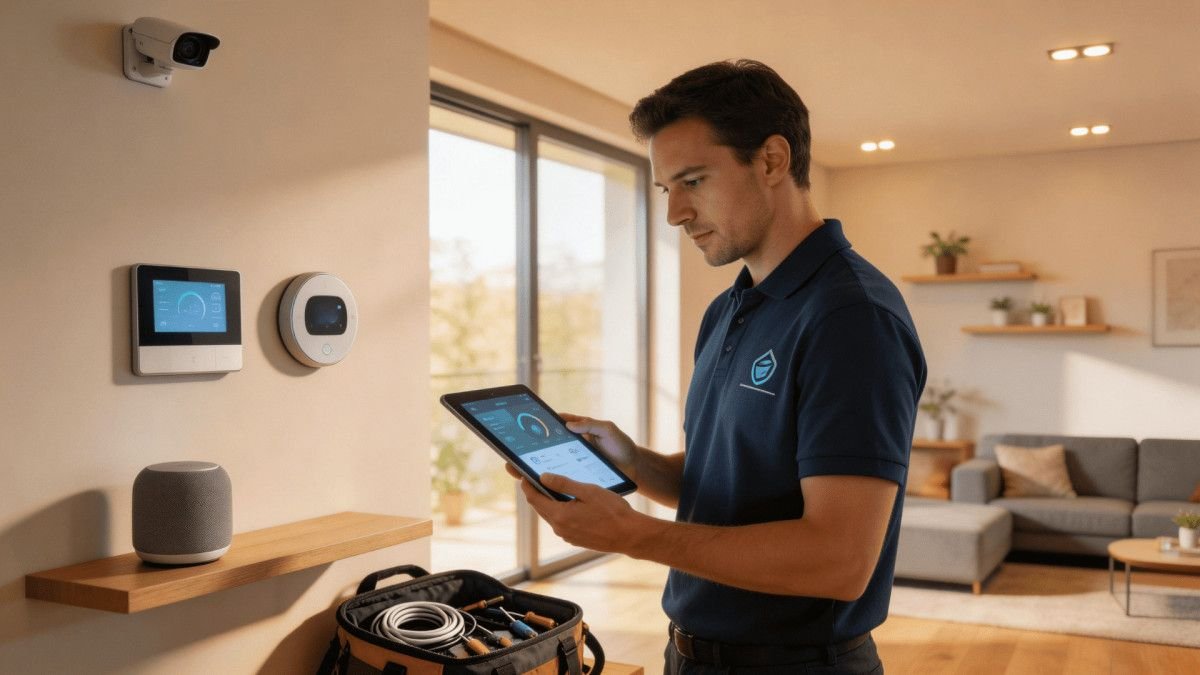
Home maintenance works best when it combines simple DIY care with timely professional support. Basic cleaning, inspections, and seasonal checks can help prevent many issues, but complex repairs should be handled by qualified technicians.
By staying proactive, listening for warning signs, and knowing your limits, you can extend the life of your appliances, improve comfort, and reduce the chances of sudden breakdowns. A little attention throughout the year can save time, money, and frustration later.
FAQs
How often should I check my home appliances?
Most appliances should be visually checked at least once a month. Look for leaks, unusual noises, loose connections, and performance changes.
Is DIY appliance repair always safe?
No. Simple tasks like cleaning filters or removing lint are usually safe, but electrical, gas, refrigerant, or motor-related repairs should be handled by a professional.
How often should HVAC filters be changed?
Many filters need replacement every one to three months, depending on usage, pets, dust levels, and manufacturer recommendations.
What is the best way to avoid costly repairs?
The best approach is preventive maintenance. Clean equipment regularly, respond quickly to warning signs, and schedule professional service when a system needs expert attention.