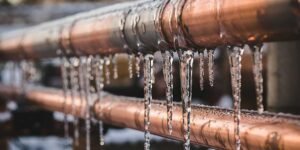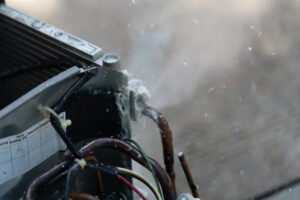
Cold weather can create serious problems for homes, commercial buildings, farms, and industrial facilities. When temperatures drop, exposed or poorly insulated pipes can freeze, crack, or stop working properly. In many cases, the damage is not noticed until water flow is interrupted, or a leak appears after thawing.
The good news is that pipe freeze protection does not have to be complicated. With the right heating method, proper insulation, and routine maintenance, property owners can reduce the risk of frozen water lines, blocked drains, and costly repairs.
Contents
Why Pipes Freeze in the First Place
Water expands when it freezes. Inside a pipe, that expansion creates pressure, especially when ice blocks the flow. Eventually, the pipe may split, fittings may loosen, or connected equipment may become damaged.
Pipes are more likely to freeze when they are located in:
- Unheated basements or crawl spaces
- Garages and utility rooms
- Outdoor walls
- Exposed exterior areas
- Roof drains and gutters
- Agricultural or industrial sites
- Sewer and drainage lines with low flow
Insulation helps, but insulation alone does not generate heat. In very cold conditions, a pipe may still freeze if there is no active heat source.
Understanding Pipe Heating Systems
Pipe heating systems are designed to maintain a safe temperature around or inside piping. They are commonly used for freeze protection, temperature maintenance, and keeping fluids moving in cold environments.
One common solution is electrical heat tracing, which uses heating cable installed along a pipe or within a compatible piping system to help prevent freezing. When used correctly, it can provide steady protection in areas where insulation alone may not be enough.
Key Benefits of Pipe Freeze Protection
Reduced Risk of Burst Pipes
A frozen pipe can lead to leaks, flooding, and expensive repairs. Heating systems help reduce that risk by keeping the pipe temperature above freezing.
Better Reliability During Winter
For homes, farms, warehouses, and facilities, reliable water and drainage systems are essential. Freeze protection helps keep operations running smoothly during cold weather.
Protection for Hard-to-Reach Areas
Some pipes are installed in tight or exposed locations where repairs are difficult. Adding protection before winter can prevent inconvenient emergency work later.
Support for Drain and Sewage Lines
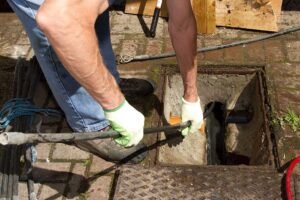
Drain and sewage pipes can also be affected by freezing, especially in low-flow areas. Heating solutions can help keep waste and wastewater moving safely.
On-Pipe vs. In-Pipe Heating Options
Choosing the right setup depends on the pipe location, pipe material, exposure level, and the type of fluid being carried.
On-Pipe Heating
On-pipe systems are installed along the outside of the pipe. They are usually covered with insulation after installation to help retain heat. This method is widely used because it is accessible, practical, and suitable for many residential and commercial applications.
In-Pipe Heating
In-pipe systems are placed inside the pipe and are often used when external installation is difficult or when the pipe is already buried or hard to access. However, they must be compatible with the pipe type and the water or fluid being transported.
When comparing system types, the correct heat trace wire can make a major difference in performance, safety, and long-term reliability.
Choosing the Right Heating Cable
Not all heating cables are the same. Some deliver a constant output, while others adjust based on temperature conditions. The best choice depends on the application and environment.
Constant Wattage Cable
Constant wattage cable provides a steady heat output. It may be suitable for controlled applications but often requires careful design and temperature control.
Self-Regulating Cable
Self-regulating cable adjusts its heat output depending on surrounding temperature. When the pipe is colder, it produces more heat. When the pipe warms up, it reduces output. This makes it a popular option for many freeze protection projects.
For drainage, sewer, and other demanding environments, a self regulating heat trace cable can offer dependable temperature support without overheating when installed according to manufacturer guidance.
Installation Considerations
A pipe heating system works best when it is installed correctly. Poor installation can reduce efficiency, create safety issues, or shorten the lifespan of the system.
Important installation factors include:
- Matching the cable type to the pipe material
- Using proper controls or thermostats when required
- Avoiding cable overlap unless approved
- Applying suitable pipe insulation
- Protecting the system from moisture and physical damage
- Following electrical safety requirements
- Checking compatibility for potable water or drainage use
For larger or complex systems, professional installation is often the safer choice.
Maintenance Tips for Long-Term Performance
Pipe heating systems should be checked before cold weather arrives. A simple inspection can help identify problems early.
Look for damaged cable, loose insulation, exposed connections, or signs of moisture. Make sure power supplies, thermostats, and controllers are working. If a system has been unused for months, testing it before freezing temperatures arrive is a smart step.
In addition, insulation should stay dry and secure. Wet or missing insulation can reduce the effectiveness of the heating system and allow cold air to reach the pipe.
Conclusion
Protecting pipes from freezing is about more than comfort. It helps prevent water damage, service interruptions, and emergency repair costs. Whether you are protecting a home water line, a commercial drain, or a sewage pipe in a cold environment, the right pipe heating solution can provide reliable winter performance.
By choosing the correct system, installing it properly, and maintaining it before each cold season, property owners can keep water and drainage systems safer when temperatures fall.
FAQs
What is the best way to stop pipes from freezing?
The best approach is usually a combination of pipe insulation, active heating, and sealing cold air gaps. Exposed or high-risk pipes may need a dedicated heating system.
Can pipe heating systems be used outdoors?
Yes, many systems are designed for outdoor or exposed areas, but the cable, controls, insulation, and electrical connections must be rated for the environment.
Do heated pipes still need insulation?
Yes. Insulation helps retain heat and improves efficiency. Without insulation, more heat can escape, making the system work harder.
Are pipe heating systems safe?
They can be safe when selected and installed correctly. Always follow manufacturer instructions and local electrical requirements.
When should freeze protection be installed?
It is best to install and test protection before winter begins. Waiting until freezing weather arrives can make installation more difficult and increase the risk of pipe damage.