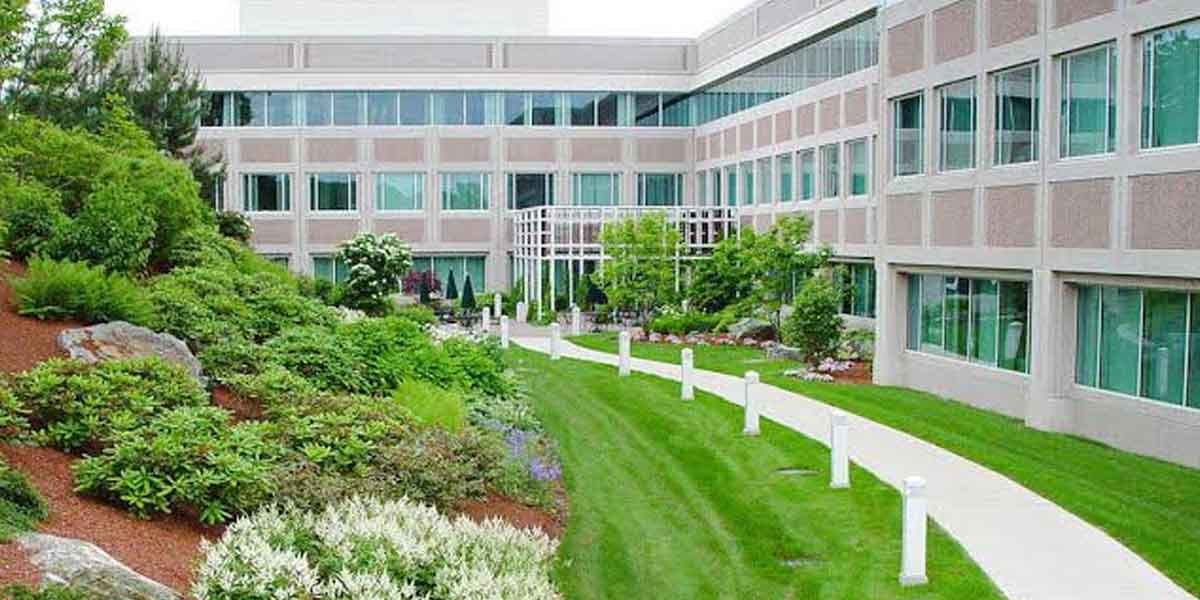
Maintaining healthy commercial grounds requires a balanced approach to plant health, soil conditions, and irrigation management. Well-designed maintenance schedules preserve property value, support local ecology, and reduce overall operating expenses.
Contents
Core Principles of Sustainable Landscaping Maintenance
Soil Health and Nutrient Management
Healthy soil drives overall landscape performance. Soil compaction prevents water infiltration and starves root systems of essential oxygen.
- Core Aeration:Pulls soil plugs to relieve compaction and allow nutrients to reach root zones.
- Organic Amendments:Adding compost enriches soil microbial life and improves moisture retention.
- Targeted Fertilization:Applying slow-release fertilizers based on soil test results prevents nutrient runoff.
Seasonal Turfgrass Management
Grass care changes across seasons to build stress resistance and maintain dense growth. Correct mowing heights preserve root depth, while leaving grass clippings on the turf recycles vital nitrogen back into the soil.
Irrigation System Efficiency and Water Conservation
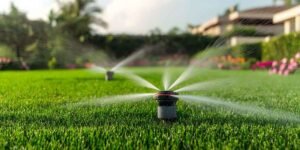
Water management directly impacts plant vitality and utility budgets. Overwatering causes root rot and fungal issues, while underwatering leads to turf stress and dieback.
Smart Irrigation Technologies
Upgrading older manual valves to automated smart controllers optimizes water application based on real-time weather conditions.
- Rain and Moisture Sensors:Automatically skip scheduled watering during or right after rain events.
- Drip Line Systems:Deliver water directly to plant root zones, minimizing evaporative loss.
- Pressure Regulators:Prevent misting and uneven distribution caused by high supply pressure.
Water Management Practices
Early morning watering reduces evaporation and wind drift. Deep, infrequent irrigation encourages plants to develop deep root systems that tolerate summer heat spikes better than shallow root systems.
Plant Health Care and Site Safety Operations
Protecting landscape investments requires proactive maintenance protocols. Regular inspections identify plant diseases and hazardous conditions early, reducing emergency repair costs.
Integrated Pest Management
Integrated pest management focuses on long-term prevention through beneficial insects, physical controls, and targeted chemical applications. This approach maintains ecological balance while protecting ornamental trees and shrubs from damaging infestations.
Hazard Mitigation and Hazard Tree Control
Storm damage, root decay, or severe structural cracks create serious safety hazards on commercial grounds. When a tree becomes structurally unstable, coordinating professional tree removal in Salt Lake City eliminates liability risks and protects pedestrians, vehicles, and buildings.
| Maintenance Task | Primary Goal | Ideal Frequency |
| Irrigation Audits | Identify leaks, broken heads, and poor distribution uniformity | Seasonal |
| Mulch Replenishment | Regulate soil temperatures and suppress weed growth | Annual |
| Shrub Pruning | Shape plants, remove deadwood, and maintain clear sightlines | Bi-annual |