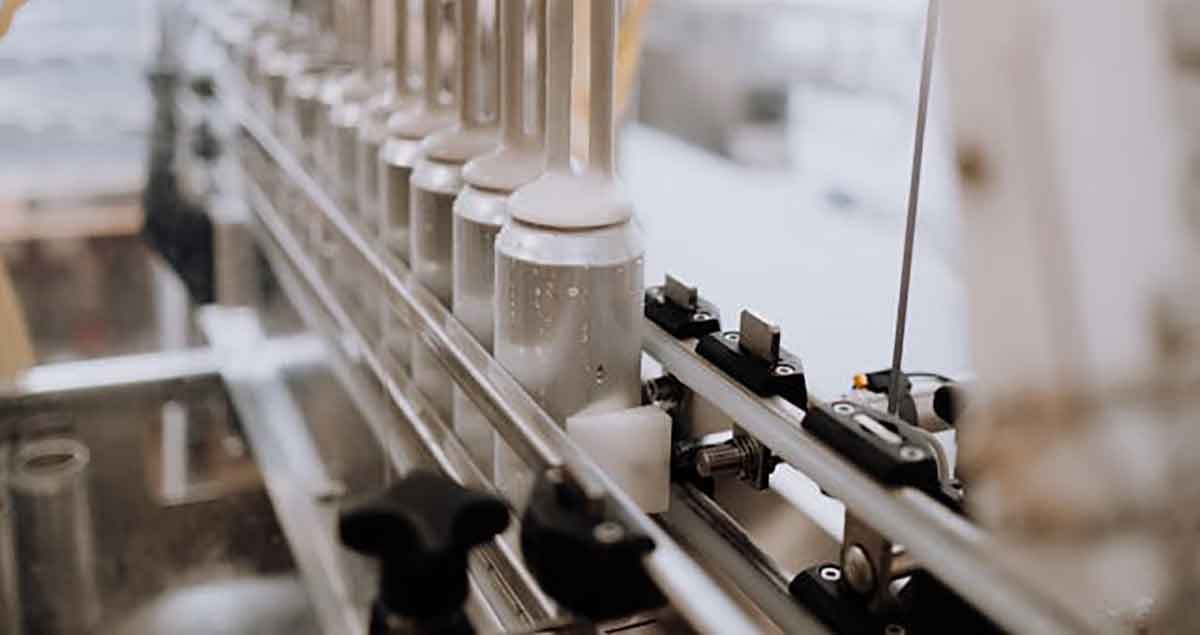
In today’s fast-paced industrial environment, efficiency is no longer optional, it’s essential. Businesses across manufacturing, logistics, and mining are constantly seeking ways to streamline operations, reduce costs, and increase productivity. One of the most impactful innovations driving this transformation is the modern conveyor system.
From automated warehouses to high-speed production lines, advanced conveyor technologies are revolutionizing how materials and products move. By integrating smart automation, data analytics, and precision engineering, modern systems deliver measurable improvements in operational performance.
Contents
The Evolution of Conveyor Systems
Traditional conveyor systems were designed primarily for simple material transport. While effective, they often relied heavily on manual oversight and lacked flexibility. Today’s systems, however, are far more sophisticated.
Modern conveyor systems incorporate automation, sensors, and digital controls that allow for continuous and optimized material flow. These advancements eliminate bottlenecks and ensure that goods move seamlessly between different stages of production. This evolution has turned conveyors into a critical component of industrial efficiency, enabling businesses to scale operations while maintaining consistency and quality.
Increased Productivity and Throughput
One of the most significant advantages of modern conveyor systems is their ability to increase productivity. Automated systems operate continuously and at consistent speeds, reducing downtime and accelerating production cycles. Unlike manual processes, which are limited by human capacity and prone to errors, conveyor systems maintain a steady flow of materials. This leads to higher throughput and more efficient production lines.
In high-demand industries, even small improvements in speed can translate into substantial gains in output. Modern conveyors are designed to handle larger volumes with precision, helping businesses meet tight deadlines and growing market demands.
Cost Reduction and Operational Savings
Efficiency isn’t just about speed, it’s also about cost. Conveyor systems significantly reduce operational expenses by minimizing the need for manual labor and lowering the risk of errors. Automation reduces labor costs while improving accuracy, leading to fewer mistakes and less waste. Additionally, modern systems are designed with energy efficiency in mind, helping companies reduce power consumption over time.
At this stage, many organizations begin exploring advanced conveyor products and solutions that are specifically tailored to their operations. These customized systems are engineered to optimize workflows, eliminate inefficiencies, and align with industry-specific requirements.
Improved Accuracy and Quality Control
Precision is a key factor in industrial success. Modern conveyor systems enhance accuracy by automating sorting, handling, and transportation processes.
With integrated sensors and smart controls, these systems ensure that products are delivered to the correct location at the right time. This reduces human error and improves consistency across operations.In industries where quality control is critical, such as food processing, pharmaceuticals, and manufacturing, this level of precision is invaluable.
Enhanced Workplace Safety
Workplace safety is another major benefit of modern conveyor systems. Manual handling of heavy or hazardous materials poses significant risks to workers. Conveyor systems reduce these risks by automating transportation and minimizing human intervention.
By limiting physical strain and exposure to dangerous environments, companies can create safer workplaces and reduce the likelihood of injuries. Safety improvements not only protect employees but also contribute to lower insurance costs and improved compliance with industry regulations.
Scalability and Flexibility
As businesses grow, their operational needs evolve. Modern conveyor systems are designed with scalability in mind, allowing companies to expand or modify their systems as needed.
Whether it’s adding new production lines or adapting to different product types, conveyor systems offer the flexibility required to keep up with changing demands.This adaptability ensures that businesses remain competitive in dynamic markets without the need for complete system overhauls.
Integration with Smart Technologies
One of the defining features of modern conveyor systems is their ability to integrate with digital technologies. From real-time monitoring to predictive maintenance, these systems provide valuable data that can be used to optimize performance.
Advanced systems can connect with warehouse management software, enabling real-time tracking of goods and improved inventory control.
This level of integration allows businesses to make data-driven decisions, reduce downtime, and continuously improve operational efficiency.
Reduced Downtime and Maintenance
Downtime can be costly in any industrial setting. Modern conveyor systems are engineered for reliability, with durable components and predictive maintenance capabilities.
By identifying potential issues before they lead to system failures, businesses can avoid unexpected disruptions and maintain continuous operations. This proactive approach to maintenance not only saves time but also extends the lifespan of equipment.
Conclusion
Modern conveyor systems have become the backbone of industrial efficiency. By automating material handling, improving accuracy, and integrating advanced technologies, they enable businesses to operate faster, safer, and more cost-effectively.
As industries continue to evolve, the importance of efficient material handling will only grow. Companies that invest in advanced conveyor systems today are positioning themselves for long-term success in an increasingly competitive landscape.