The world of print and display is evolving rapidly. What was once dominated by rigid boards, vinyl banners, and static signage is now being reshaped by materials that are more flexible, more sustainable, and far more creative. At the center of this transformation is printable fabric, a solution that is redefining how brands design, deliver, and experience visual communication.
Read on to explore why this shift isn’t just about aesthetics. It reflects a deeper change in how businesses approach visibility, adaptability, and long-term value.
From Static Displays to Dynamic Visual Experiences
Traditional print materials often served a single purpose: to display a message. Printable fabric, however, expands that role significantly.
Because it is lightweight and flexible, it allows designers to move beyond flat surfaces and create:
- Draped backdrops and layered visuals
- Immersive exhibition environments
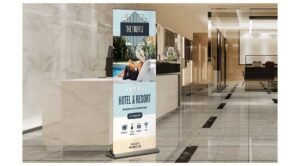
- Soft signage that integrates into physical spaces
Large-scale textile printing is now widely used across events, retail, and interiors, where fabric-based visuals can transform entire environments rather than simply decorate them.
This shift turns print from a visual that people glance at into one that they experience.
Superior Print Quality That Enhances Brand Impact
One of the most immediate advantages of printable fabric is its ability to deliver exceptional visual quality.
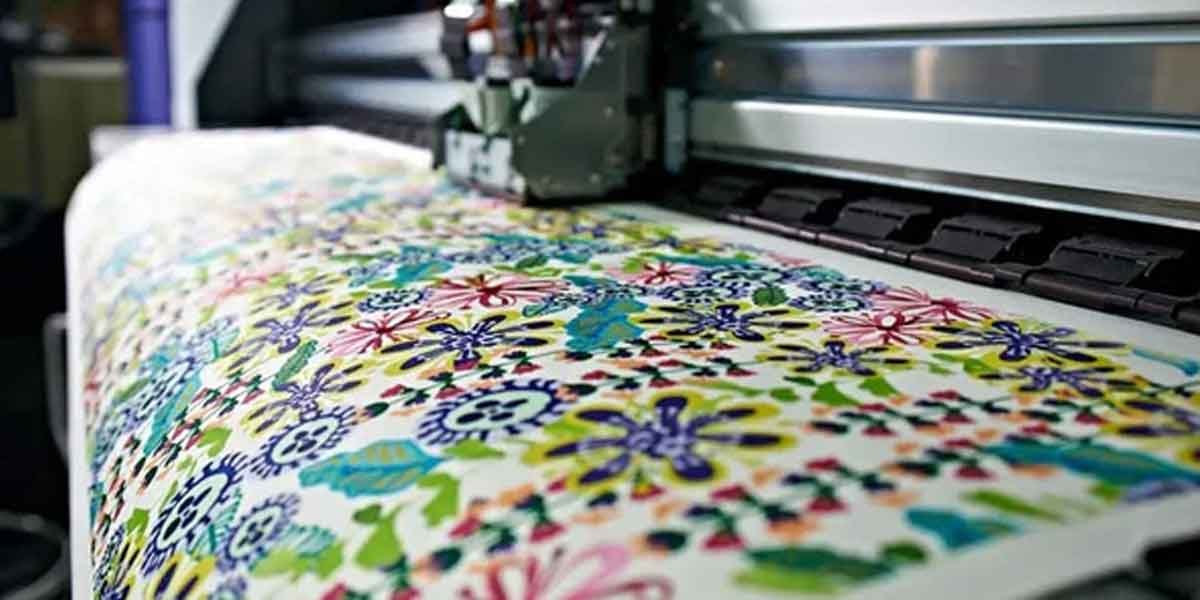
Unlike traditional materials, fabric absorbs ink rather than simply holding it on the surface. This results in:
- Richer, more vibrant colors
- Sharper detail for complex designs
- Reduced glare under lighting conditions
Fabric printing techniques such as dye-sublimation bond color directly into the fibers, helping visuals remain bold and resistant to fading over time.
For brands, this means stronger visual consistency and a more premium finish across every display.
Flexibility That Supports Modern Campaigns
Modern marketing campaigns are no longer fixed. They move across locations, formats, and timelines. Materials need to keep up.
Printable fabric supports this shift by offering:
- Easy transport due to its lightweight nature
- Compact storage through folding or rolling
- Quick installation across different environments
Compared to heavier alternatives, fabric solutions are significantly easier to handle and reuse, reducing both logistical challenges and operational costs.
This flexibility allows brands to scale campaigns without increasing complexity.
A More Sustainable Approach to Display
Sustainability is becoming a defining factor in material choice. Businesses are under increasing pressure to reduce waste and lower their environmental impact.
Printable fabric aligns with this shift in several ways:
- Many options are recyclable or made from recycled fibers
- Production processes often use water-based inks
- Lower transport weight reduces carbon emissions
- Longer lifespan reduces the need for frequent replacements
Fabric-based display solutions are widely recognized as a more environmentally responsible alternative to traditional PVC and vinyl materials.
For brands, this creates an opportunity to align visual communication with sustainability goals.
Versatility Across Industries and Applications
One of the most transformative aspects of printable fabric is its versatility. It is no longer limited to banners or flags.
Today, it is used across:
- Trade shows and exhibitions
- Retail window displays
- Hospitality interiors
- Corporate environments
- Event branding and staging
Digital textile printing has made it possible to apply detailed designs across a wide range of fabric-based applications, from signage to large-format installations.
This adaptability allows businesses to maintain consistent branding across multiple touchpoints.
Enabling Creative Freedom Without Limits
Perhaps the most exciting transformation is the level of creative freedom printable fabric offers.
Designers are no longer restricted by:
- Fixed shapes or rigid formats
- Limited sizes or join lines
- Static, one-dimensional layouts
Instead, they can experiment with scale, layering, and movement to create displays that feel more fluid and engaging.
Solutions like printable fabric enable brands to push beyond traditional boundaries, turning ideas into physical experiences that are both practical and visually compelling.
Redefining What Print Can Be
Print is no longer just about putting ink on a surface. It’s about creating environments, shaping experiences, and delivering messages in ways that feel relevant and engaging.
Printable fabric is leading this transformation by combining performance, creativity, and sustainability into one versatile medium.
As brands continue to rethink how they show up in physical spaces, it’s clear that this material isn’t just supporting modern print and display solutions, it’s redefining them.