Cold weather can create serious problems for homes, businesses, and industrial spaces. Frozen pipes, ice buildup, roof edge damage, and equipment downtime are more than seasonal inconveniences. They can lead to costly repairs, safety risks, and unnecessary energy use.
That is where modern heat trace systems come in. Designed to maintain safe temperatures in vulnerable areas, these systems help protect plumbing, roofs, tanks, walkways, and other critical surfaces. With newer cable technology and smarter controls, heat tracing has become more efficient, easier to manage, and suitable for a wide range of applications.
Contents
- 1 What Is Heat Trace and Why Does It Matter?
- 2 How Modern Heat Trace Systems Work
- 3 Key Benefits of Heat Trace Systems
- 4 Choosing the Right Heat Trace Cable
- 5 Common Applications for Heat Trace Systems
- 6 Installation Considerations Before You Begin
- 7 Maintenance Tips for Long-Term Performance
- 8 Conclusion
- 9 FAQs
What Is Heat Trace and Why Does It Matter?
Heat trace is a heating method that uses electrical cables to maintain or raise the temperature of pipes, surfaces, and equipment. Instead of heating an entire room or structure, it applies heat directly where protection is needed.
This targeted approach is especially useful in areas exposed to freezing temperatures. Water pipes, sprinkler systems, gutters, valves, and outdoor drains can all benefit from properly installed heat trace cables.
When temperatures drop, frozen water can expand and cause pipes to burst. In commercial settings, this can interrupt operations. In homes, it can damage walls, floors, and belongings. Heat trace systems reduce this risk by keeping vulnerable areas above freezing.
How Modern Heat Trace Systems Work
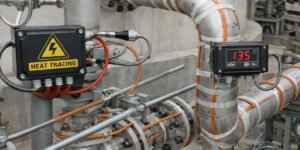
A heat trace system typically includes heating cables, insulation, power connections, and control devices. The cables are installed along pipes or surfaces that need freeze protection or temperature maintenance.
Once powered, the cable produces heat. The amount of heat depends on the cable type and the system design. Insulation is often added over the pipe or surface to help retain warmth and improve performance.
The Role of Controls and Energy Management
Controls are an important part of a reliable system. Thermostats, sensors, and timers help prevent unnecessary energy use by activating the system only when needed.
For example, a thermostat can turn the system on when temperatures fall below a set point. A timer may be used in situations where heating is only needed during certain hours. These features can improve efficiency while still protecting the property.
Property owners who want better control over winter protection often explore self regulating heat trace options because they adjust heat output based on surrounding temperatures.
Key Benefits of Heat Trace Systems
A properly designed heat trace system offers several practical advantages.
Freeze Protection
The most common benefit is freeze prevention. Pipes in garages, basements, crawl spaces, rooftops, and outdoor areas are especially vulnerable. Heat trace cables help maintain safe temperatures, reducing the chance of frozen or burst pipes.
Improved Safety
Ice buildup on roofs, gutters, ramps, drains, and walkways can create hazards. Heat trace systems can help manage snowmelt and reduce ice formation in key areas. This is especially useful for commercial buildings, rental properties, and facilities where safety matters every day.
Better Operational Reliability
In industrial and commercial settings, temperature-sensitive materials may need to remain within a specific range. Heat tracing can help protect fluids, chemicals, and process lines from cooling too much.
This type of protection supports smoother operations and helps prevent delays caused by frozen or blocked systems.
Choosing the Right Heat Trace Cable
Not all heat trace cables are the same. The right choice depends on the environment, temperature range, pipe material, exposure level, and intended use.
Constant Wattage Cables
Constant wattage cables provide a consistent level of heat along their length. They can be effective in controlled applications but may require careful design and monitoring to avoid overheating.
Self-Regulating Cables
Self-regulating cables adjust their heat output automatically. When the surrounding temperature drops, they produce more heat. When the temperature rises, they reduce output.
This makes them popular for freeze protection because they can help improve energy efficiency and reduce the risk of overheating. Homeowners and facility managers often compare self regulating cables with other heating options when planning long-term property protection.
Common Applications for Heat Trace Systems
Heat trace systems can be used in many residential, commercial, and industrial settings.
In homes, they are often installed on exposed water lines, roof edges, gutters, and outdoor spigots. In commercial properties, they may protect sprinkler lines, parking garage pipes, drainage systems, and loading dock areas.
Industrial facilities may use heat trace for process piping, storage tanks, valves, and instruments. These applications often require more detailed planning because temperature control can affect performance and safety.
As technology continues to improve, newer heat-tracing solutions are becoming more adaptable, efficient, and easier to integrate with modern building systems.
Installation Considerations Before You Begin
Heat trace installation should be planned carefully. Cable type, cable length, insulation thickness, voltage, temperature rating, and environmental exposure all matter.
Before installing a system, it is important to identify the areas most at risk. A poorly placed cable may not provide enough protection, while an oversized or improperly controlled system may waste energy.
For many properties, professional installation is recommended. Electrical safety, code compliance, waterproof connections, and correct insulation all affect long-term performance.
Maintenance Tips for Long-Term Performance
Heat trace systems are designed to be durable, but they still need regular attention. Before winter begins, inspect cables, connections, insulation, and controls.
Look for signs of damage, loose fittings, moisture intrusion, or worn insulation. Test thermostats and sensors to make sure they respond correctly. If the system protects critical infrastructure, scheduled inspections are a smart investment.
Keeping the system clean and properly insulated can also improve efficiency. Even a high-quality cable may perform poorly if heat is lost through damaged or missing insulation.
Conclusion
Heat trace systems offer practical protection against freezing, ice buildup, and temperature-related disruptions. Whether used in a home, commercial property, or industrial facility, they provide targeted heating where it matters most.
With the right cable type, smart controls, proper installation, and routine maintenance, heat trace technology can help improve safety, reduce repair risks, and support better energy management during cold weather.
FAQs
What is the main purpose of a heat trace system?
The main purpose is to prevent pipes, surfaces, or equipment from freezing or dropping below a required temperature.
Can heat trace be used in residential homes?
Yes. Many homeowners use heat trace systems for exposed pipes, gutters, roof edges, outdoor faucets, and other freeze-prone areas.
Are self-regulating cables energy efficient?
They can be more energy efficient than some traditional options because they adjust heat output based on surrounding temperatures.
Does heat trace require insulation?
In most pipe applications, insulation is strongly recommended because it helps retain heat and improves system performance.
Should heat trace systems be professionally installed?
For simple residential uses, some products may be suitable for careful DIY installation. However, professional installation is recommended for complex, commercial, or safety-critical systems.