Cold weather can create serious problems for homes, farms, vehicles, and off-grid properties. Frozen pipes, blocked water lines, and unreliable water access are more than minor inconveniences; they can disrupt daily routines, damage equipment, and lead to costly repairs.
Fortunately, modern pipe-warming solutions make winter preparation easier. With the right setup, you can protect water lines, tanks, hoses, and exposed plumbing from freezing temperatures while keeping essential systems running smoothly.
Contents
Understanding Why Pipes and Water Lines Freeze
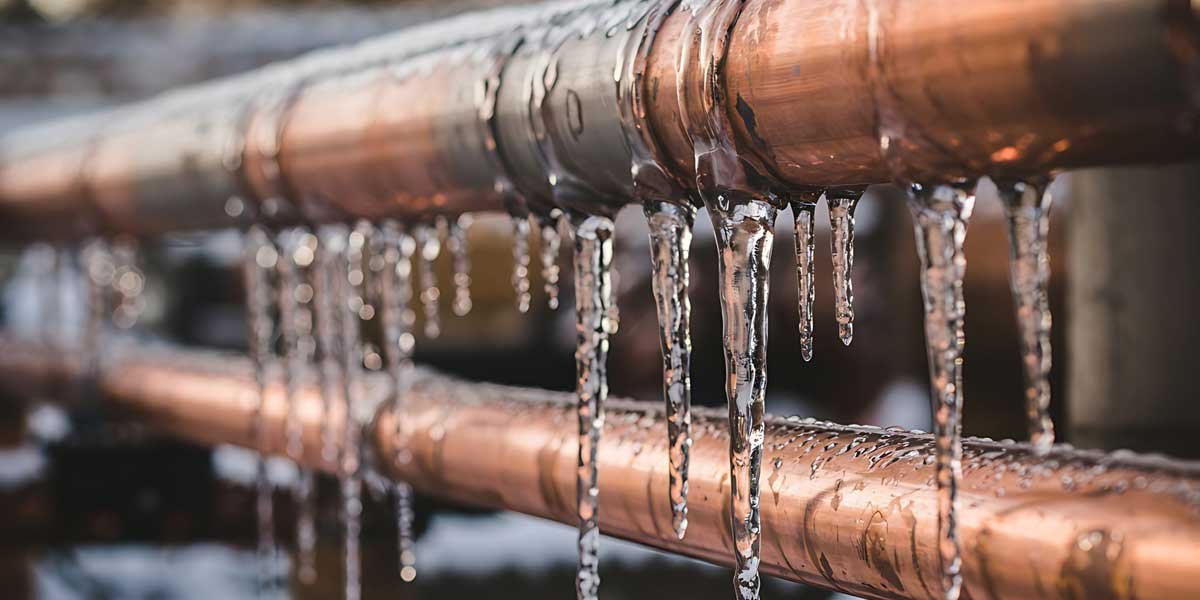
When temperatures drop below freezing, standing water inside pipes, hoses, or tanks begins to expand. This expansion creates pressure that can crack fittings, split pipes, or completely block water flow.
Outdoor plumbing is especially vulnerable. Barns, cabins, RVs, workshops, and off-grid homes often have exposed lines or limited insulation. Even a short overnight freeze can cause problems if pipes are not protected properly.
That is why winterization should focus on both insulation and active freeze prevention.
The Role of Heat-Tracing Products in Winter Protection
Heat-tracing systems are designed to provide controlled warmth along pipes, hoses, or surfaces that need freeze protection. Instead of heating an entire room or structure, they target the specific areas most likely to freeze.
For livestock owners, keeping water available during freezing weather is critical. A practical solution such as heat trace tape can help maintain water flow in exposed or semi-exposed lines when paired with proper insulation and safe installation practices.
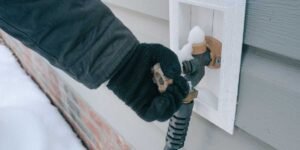
These products are commonly used in barns, outdoor spigots, crawl spaces, cabins, and other areas where traditional heating may not reach.
Choosing the Right Heating Option for Your Setup
Not every cold-weather setup is the same. The right product depends on where it will be used, how cold the environment gets, and what type of pipe or surface needs protection.
For Homes and Cabins
Seasonal cabins and off-grid homes often need protection for supply lines, drain lines, pumps, and pressure tanks. In these settings, a heating cable can be useful for targeted freeze prevention, especially when water systems are located in crawl spaces, utility sheds, or exterior walls.
However, it should never be treated as a replacement for insulation. The best results usually come from combining controlled heat with foam pipe covers, weather sealing, and protection from wind exposure.
For RVs and Mobile Living
RVs, trailers, and mobile work units face unique winter challenges. Water lines may run underneath the vehicle, tanks can be exposed to cold air, and movement can make permanent insulation more difficult.
In these cases, self regulating heat trace can be a smart option because it adjusts output based on surrounding temperatures. This can help reduce overheating risks when installed correctly and used according to the manufacturer’s guidance.
For Farms and Livestock Areas
Farms often have long water runs, outdoor hydrants, trough lines, and barn plumbing that must work through winter. The priority is reliable water access without constant manual thawing.
In livestock areas, pay close attention to chew protection, electrical safety, and moisture resistance. Any warming product used around animals should be secured, covered when needed, and connected through appropriate electrical protection.
Installation Tips for Safer Winter Performance
Proper installation matters as much as product choice. A poorly installed warming system may fail to protect pipes or create safety risks.
Start by reading the manufacturer’s instructions carefully. Different products are made for different pipe materials, lengths, and temperature ranges. Some can overlap, while others cannot. Some are safe for plastic pipes, while others are better suited for metal.
Before installation, inspect the pipe or hose. Repair leaks, remove sharp edges, and make sure the surface is clean. After applying the warming product, add insulation unless the product instructions say otherwise. Insulation helps retain heat and improves efficiency.
Also, avoid using damaged cords, indoor-only products outdoors, or extension cords that are not rated for the environment. For outdoor or damp locations, use properly protected outlets.
Common Mistakes to Avoid
One common mistake is waiting until pipes freeze before taking action. Once water is frozen inside a line, thawing can be slow and stressful, and hidden damage may already exist.
Another mistake is assuming insulation alone is enough. Insulation slows heat loss, but it does not create heat. In extreme cold, exposed pipes may still freeze without an active warming source.
A third mistake is ignoring power reliability. If your property experiences outages, consider backup power options or drain vulnerable lines when leaving the property unattended.
Finally, avoid mixing products or modifying them beyond their intended use. Cutting, overlapping, or wrapping incorrectly can reduce performance and increase risk.
Building a Complete Winterization Plan
A reliable winter plan should include more than one layer of protection. Begin by identifying the most vulnerable areas: outdoor lines, unheated crawl spaces, barn plumbing, RV underbellies, and utility rooms.
Next, seal gaps where cold air enters. Wind can freeze pipes quickly, even when the surrounding air temperature is only slightly below freezing. Then, insulate pipes and install appropriate warming solutions where needed.
It is also wise to test everything before the first hard freeze. Make sure outlets work, thermostats respond, and protected lines stay warm enough during cold nights.
Conclusion
Winter pipe protection is about preparation, not panic. Whether you manage livestock water systems, maintain an off-grid home, or travel in an RV during cold months, the right heating solution can help prevent frozen lines and reduce winter stress.
By combining targeted warmth, quality insulation, safe electrical practices, and routine checks, you can keep water moving and protect essential systems throughout the cold season.
FAQs
Can heating products completely prevent frozen pipes?
They can greatly reduce the risk when installed correctly, but they work best with insulation, weather sealing, and regular inspection.
Should pipes still be insulated after adding a warming product?
In most cases, yes. Insulation helps hold warmth around the pipe and improves overall performance.
Are these systems safe for plastic pipes?
Some products are designed for plastic pipes, while others are not. Always check the manufacturer’s instructions before installation.
Can I use the same solution for a house, barn, and RV?
Not always. Each setting has different exposure, power, movement, and safety needs, so the product should match the application.
When should winter pipe protection be installed?
Install it before freezing weather arrives. Waiting until pipes are already frozen increases the chance of damage and emergency repairs.