Many buildings carry hidden networks. Cables, data lines, power feeds, cooling pipes, and endless tiny routes that keep a place running each day. A raised flooring system helps manage all this load without turning the space into a maze. Think of it like a floor that sits above another floor with adjustable height. Space gets created in between. That gap becomes storage for everything a building wants to hide.
People see a neat surface under their feet. Inside that structure sits an organized channel of services. Offices, tech hubs, call centers, studios, and data rooms rely heavily on layouts that stay clean and flexible. A raised flooring system supports that goal directly.
Contents
What makes a raised flooring system different
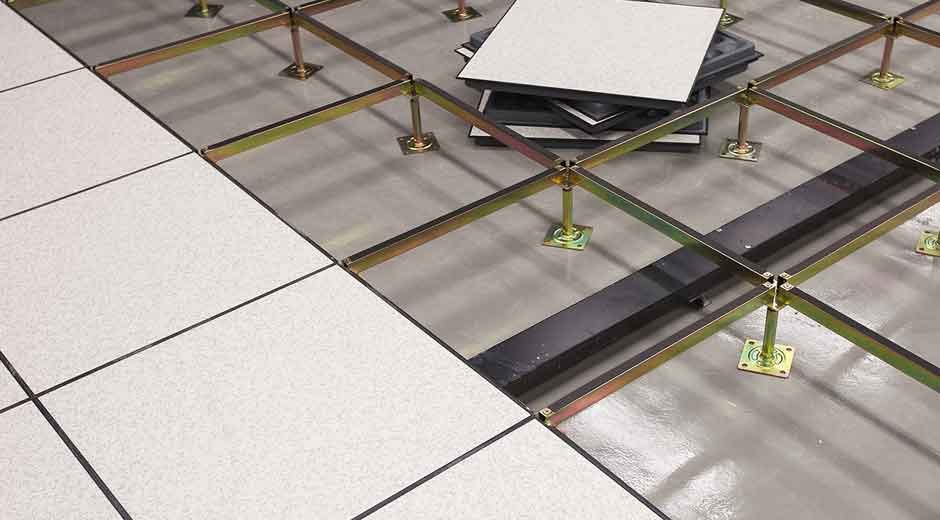
Traditional flooring sits flat on the ground. No extra room exists below. Any new cable requires drilling, cutting, or breaking tiles. Changes turn messy, slow, and expensive. A raised flooring system solves this by lifting panels above the base slab. Pedestals hold those panels. The layer under that surface becomes a service zone.
Panels come in square pieces. Workers can remove one section without disturbing the entire layout. This single feature makes future upgrades smoother. Tech changes fast. Offices switch layouts often. That is why so many commercial spaces are shifting toward raised structure installations instead of fixed slabs.
How the structure is built
The base floor stays as it is. Pedestals are placed across the layout. These pedestals act like legs. They maintain uniform height. Each one supports a portion of the upper surface. Panel pieces then sit on top of the grid. The result looks seamless from above.
Different materials can be used. Steel core, cement board, wood core, and aluminum options exist in the market. Top coverings can be changed easily. Carpet tiles, vinyl, stone finish, or laminate can be placed as the final touch. Office designers get freedom to update style without disturbing the base.
Cable management becomes simple because the gap underneath acts like a highway. Workers can route new connections without demolition. One lifted panel is enough to access the entire section below.
Why companies pick this method
Workplaces shift design with time. Teams grow. Data equipment expands. Tech upgrades happen every few months. Traditional flooring struggles to support rapid change. A raised flooring system adapts faster. A company can hide data cables in channels, move them later, or add new lines within days.
Cooling efficiency also improves. Many data facilities use underfloor air distribution. Cold air travels through the open plenum and rises through vents near equipment racks. Heat moves up. Cooling stays directed and steady. The power cost drops in many cases.
Repair becomes simpler. When a cable burns or shorts, technicians open a small area. No full breakage. No chaos. Less downtime. It is a highly practical advantage.
Where a raised flooring system works best
Modern offices use large screens, access ports, smart devices, and charging stations. Every upgrade brings more wiring. A raised flooring system supports such evolving spaces without heavy redesign.
Server rooms depend heavily on cable density. Air circulation matters too. Hidden channels reduce clutter. A clean system lowers the risk of cable damage. Panel lift gives instant access during upgrades.
Broadcast studios manage audio feeds, camera wires, control desk power, and lighting. The setup behind looks complex, but the floor stays calm. Quick repairs become possible under this installation style.
Healthcare buildings install medical gas lines, monitoring units, and data cables. Clean access below supports long-term maintenance.
Even smart homes started using raised installation designs for automation hubs. Designers hide wires below and still keep flexibility for future tech.
How to plan installation correctly
Professional layout matters before work begins. Blind installation leads to uneven load distribution. Clearly mark zones for power lines, chilled water pipes, data trays, and safety circuits. Think about future growth, too. More units may get added later. Leave pathways open.
Select pedestal height as per requirement. Data rooms need bigger gaps for cooling. Offices may settle for smaller gaps. Check the fire resistance of panels and coverings. Static control matters for sensitive equipment.
Moisture conditions inside a building should be checked first. Some materials behave better in humid areas. A wrong choice leads to swelling or rust. Quality products have technical ratings published by manufacturers. Study them before ordering.
Contractors must check the load capacity for heavy racks. Equipment weight can be high. Pick panels that support consistent pressure. Weak material may bend or crack over time.
Maintenance for longer life
Do not drag chairs or loaded carts across panels. Tiles may scratch. Use soft pads under furniture. Clean surfaces with a simple mop or dry vacuum. Avoid soaking water. Moisture can seep into joints.
Schedule inspection twice yearly. Lift a few panels to check wiring and clamps. Dust can gather below if ignored. Too much dust lowers cooling efficiency. Air circulation requires clean flow paths.
Panel replacement is easy. Keep extra pieces from the same manufacturing batch. New panels may look slightly different in color under strong light.
Benefits you notice over time
Upgrades become faster. No heavy tools. No broken concrete. Cable routing stays clear and mapped. Large teams can move desks or devices anytime. A small crew handles most changes.
Renovation waste goes down. Modular panels reduce landfill load. Some materials use recycled content. Designers appreciate this when planning green-rated buildings.
The entire look remains neat. Visitors see a clean interior without dangling wires or taped ducts. That first impression builds trust in many work environments.
Final thoughts
Every smart building today needs flexibility. Static floors limit expansion. A raised flooring system introduces freedom in planning, upgrading, and maintenance. The hidden service space brings high practical value in long-term projects.
People often focus on interior decoration first. They think about lighting or surface polish. The real strength often lies below the surface. A well-planned system creates fewer headaches later.
Choose quality material. Work with experienced installers. Think ahead rather than fix later. With the right approach, this structure supports growth for many years and stays ready for future tech shifts.