Modern agriculture is evolving quickly as global food demand continues to rise while natural resources become increasingly limited. Farmers, researchers, and agribusinesses are turning toward innovative solutions that allow them to grow crops efficiently while maintaining high quality. One of the most promising developments is Controlled Environment Agriculture (CEA), a farming method that uses technology to manage growing conditions such as temperature, humidity, lighting, and nutrients.
Contents
- 1 Understanding Controlled Environment Agriculture
- 2 Higher Crop Yields and Faster Growth
- 3 Reduced Water Consumption
- 4 Protection from Weather and Climate Variability
- 5 Reduced Need for Pesticides
- 6 Efficient Land Use and Urban Farming Opportunities
- 7 Improved Food Quality and Consistency
- 8 The Future of Sustainable Farming
Understanding Controlled Environment Agriculture
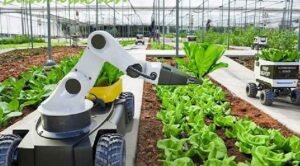
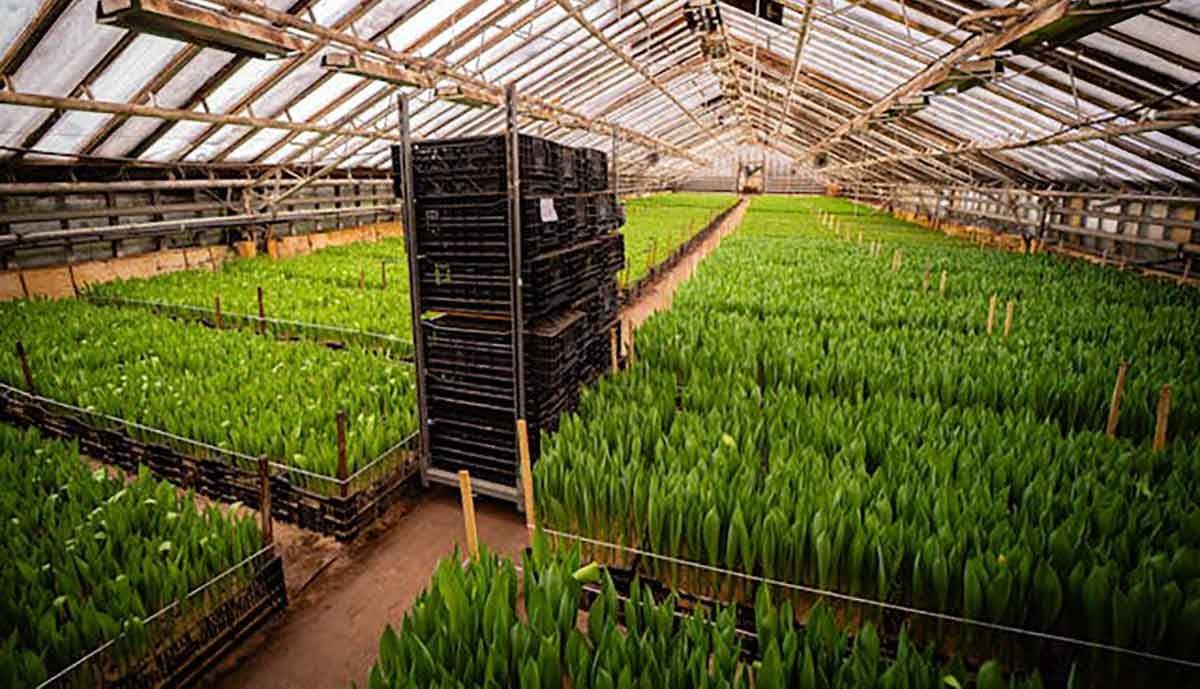
Controlled Environment Agriculture refers to agricultural systems where environmental factors are carefully managed to create optimal conditions for plant growth. These systems are typically found in greenhouses, indoor vertical farms, and specialised growth chambers. Instead of relying on seasonal weather patterns, growers use advanced technologies such as LED lighting, automated irrigation, climate control systems, and nutrient monitoring to maintain the ideal environment.
A hydroponic farm is one example of this approach, where plants are grown in nutrient-rich water rather than traditional soil. Such systems allow growers to control exactly what plants receive, from nutrients to water levels, resulting in consistent and efficient crop production.
Higher Crop Yields and Faster Growth
One of the most significant advantages of Controlled Environment Agriculture is the ability to maximise crop yields. Since plants grow in carefully optimised conditions, they experience less stress from unpredictable weather, pests, or soil issues. Growers can adjust light exposure, nutrient delivery, and temperature to accelerate plant growth cycles.
As a result, crops can be harvested more frequently throughout the year. Some leafy greens and herbs grown in controlled environments can mature in nearly half the time compared to traditional outdoor farming.
Reduced Water Consumption
Water conservation is a major concern in agriculture, especially in regions experiencing drought or water scarcity. Controlled Environment Agriculture systems are designed to use water efficiently by recycling and recirculating it within the growing system.
Unlike traditional farming, where water can be lost through evaporation or soil runoff, CEA systems deliver water directly to plant roots. This precise irrigation method can reduce water use by up to 90 per cent compared to conventional field agriculture.
Protection from Weather and Climate Variability
Traditional farming is heavily dependent on weather conditions. Extreme heat, heavy rain, storms, or frost can severely damage crops and reduce harvest yields. Controlled Environment Agriculture eliminates much of this risk by creating a stable indoor climate.
With automated systems regulating temperature, humidity, and light levels, plants can grow in consistent conditions throughout the year. This stability protects crops from sudden weather changes and allows farmers to produce food regardless of regional climate challenges. As climate change continues to affect agricultural systems worldwide, the reliability of CEA becomes increasingly valuable.
Reduced Need for Pesticides
Controlled growing environments also help reduce the presence of pests and plant diseases. Because CEA facilities are enclosed and carefully monitored, there is less exposure to insects, weeds, and pathogens that commonly affect outdoor crops.
Many growers use integrated pest management strategies that rely on biological controls rather than chemical pesticides. As a result, crops grown in controlled environments are often cleaner and require fewer chemical treatments. This benefits both the environment and consumers who increasingly seek produce grown with minimal pesticide use.
Efficient Land Use and Urban Farming Opportunities
Another major benefit of Controlled Environment Agriculture is its ability to produce large quantities of food within a relatively small footprint. Vertical farming systems allow crops to be grown in stacked layers, maximising the use of limited space.
This efficiency opens the door to urban agriculture, where food can be grown close to population centres. By producing crops in cities or nearby areas, growers can reduce transportation distances, lower carbon emissions, and deliver fresher produce to local markets.
Urban CEA facilities also help strengthen regional food systems by reducing dependence on long supply chains. During disruptions or transportation challenges, locally grown food becomes especially valuable.
Improved Food Quality and Consistency
Consumers expect fresh produce that looks appealing, tastes good, and maintains consistent quality. Controlled Environment Agriculture helps growers achieve these standards by maintaining stable growing conditions.
Since environmental variables are closely monitored, crops develop in a predictable way. This consistency improves flavour, texture, and appearance. Growers can also fine-tune nutrient levels to enhance plant health and nutritional value.
The result is a product that meets high market standards while minimising the variability often seen in field-grown crops.
The Future of Sustainable Farming
Controlled Environment Agriculture represents a powerful shift in how food is produced in the modern world. By combining agricultural knowledge with advanced technology, growers can produce food more efficiently while using fewer natural resources.
As global populations grow and environmental pressures increase, innovative farming methods will become increasingly important. Controlled Environment Agriculture offers a sustainable path forward by improving crop productivity, conserving water, reducing chemical use, and enabling year-round food production.