Winter can be beautiful, but it can also be hard on a home. Freezing temperatures, heavy snow, icy gutters, and frozen underground pipes can all create problems that are expensive and stressful to fix. The good news is that many winter-related issues can be reduced with proper planning, routine maintenance, and the right protective systems.
This guide explains practical ways homeowners can prepare their property before harsh weather arrives.
Contents
Why Winter Protection Starts Before the First Freeze
Cold-weather damage rarely happens without warning. In many cases, problems begin with weak insulation, poor drainage, blocked gutters, or exposed pipes. Once temperatures drop, these small issues can quickly become frozen lines, roof leaks, or damaged exterior surfaces.
Preparing early gives homeowners time to inspect vulnerable areas, schedule repairs, and install protective solutions before ice becomes a threat.
Protecting the Roof From Ice and Snow Damage
Your roof is one of the first parts of the home affected by winter weather. When snow melts and refreezes near the roof edge, it can form ice buildup that blocks proper drainage. Over time, trapped water may work its way under shingles and cause leaks.
Common Signs of Roof Ice Problems
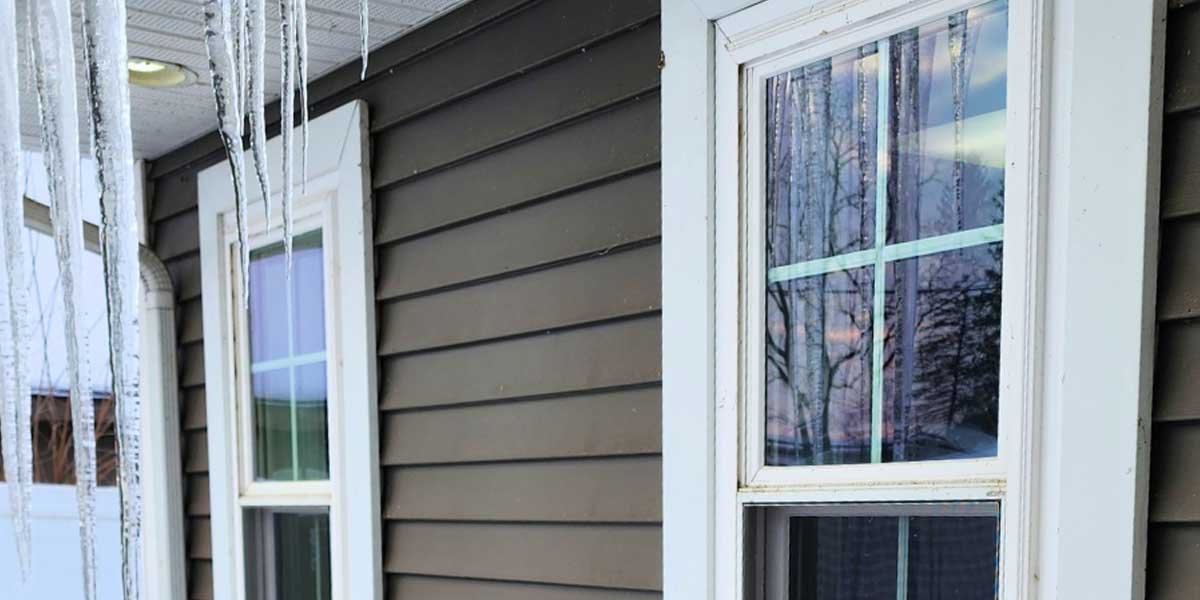
Homeowners should watch for warning signs such as icicles along gutters, uneven snow melt, water stains near ceilings, and ice collecting at the edges of the roof. These signs may point to poor attic ventilation, inadequate insulation, or drainage problems.
For homes that repeatedly struggle with ice buildup, roof heating can be a practical solution when installed correctly and used as part of a broader winter-prevention plan.
Keeping Gutters and Drainage Clear
Gutters play a major role in moving melting snow away from the roof and foundation. When leaves, branches, and debris block water flow, ice can form more easily. Before winter, clean gutters thoroughly and check that downspouts direct water away from the home.
It is also worth checking that gutters are firmly attached. Heavy ice can pull weak gutter sections away from the fascia, creating more repair work later.
Preventing Frozen Underground Pipes
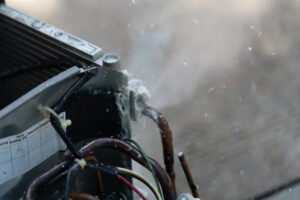
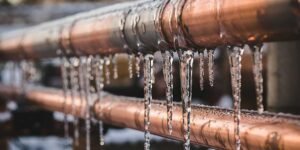
Pipes buried underground may seem protected, but they can still freeze when temperatures remain low for long periods. Water supply lines, irrigation systems, and exterior service pipes are especially vulnerable if they are not buried deep enough or properly insulated.
Smart Pipe Protection Steps
Start by identifying which pipes are most exposed to freezing conditions. Then check the insulation, drainage, and surrounding soil conditions. Poor drainage can increase heat loss and place added stress on the pipe area.
In colder regions, heat tracing is often used to help maintain pipe temperature and reduce the risk of freezing in vulnerable underground applications.
Choosing the Right Heating Cable Setup
Not every cable system is suitable for every home. Roof edges, gutters, downspouts, underground pipes, and exterior plumbing all have different requirements. The right setup depends on location, exposure, moisture levels, power access, and local electrical codes.
Professional Installation Matters
Heating cables need correct placement, secure fastening, proper insulation, and safe electrical connections. Poor installation can lead to uneven performance, wasted energy, or safety concerns. For this reason, homeowners should use qualified installers for more complex projects.
For larger properties or areas with repeated freeze risks, electrical heat tracing systems may offer a more structured approach to protecting key areas from winter damage.
Insulation and Ventilation Still Matter
Heating systems can help, but they should not replace basic home maintenance. Good attic insulation helps reduce uneven roof temperatures. Proper ventilation allows cold air to move through the attic space and helps prevent snow from melting too quickly on the upper roof.
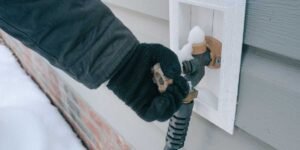
For pipes, insulation helps retain warmth and reduces the workload on any cable system. Exposed pipe sections in crawl spaces, garages, basements, and exterior walls should be checked before freezing weather arrives.
Seasonal Maintenance Checklist
A simple winter checklist can prevent many problems:
Before Winter
Clean gutters, inspect roof edges, check attic insulation, test outdoor drainage, seal air leaks, and inspect exposed pipes.
During Winter
Watch for unusual ice buildup, keep snow from piling near vents, check for slow drains or low water pressure, and look for signs of moisture indoors.
After Winter
Inspect roof shingles, gutters, pipe areas, and foundations for damage caused by ice, snow, or freeze-thaw movement.
Conclusion
Winter home protection is about prevention, not panic. By checking your roof, gutters, insulation, drainage, and vulnerable pipes before freezing temperatures arrive, you can reduce the risk of expensive damage. Heating cable solutions can be helpful, but they work best when combined with proper installation, regular maintenance, and a clear understanding of your home’s weak points.
A little preparation before winter can make the coldest months far less stressful.
FAQs
What causes ice buildup on roof edges?
Ice buildup often happens when snow melts on warmer parts of the roof and refreezes near colder edges. Poor attic insulation, ventilation issues, and clogged gutters can make the problem worse.
Are heating cables safe for homes?
Yes, when they are designed for the correct application and installed according to manufacturer instructions and local electrical codes. Professional installation is recommended for complex systems.
Can underground pipes freeze even if they are buried?
Yes. Pipes can still freeze if they are too shallow, poorly insulated, exposed to severe cold, or surrounded by wet soil that increases heat loss.
How often should winter protection systems be inspected?
A yearly inspection before winter is a good practice. Exposed components, controls, electrical connections, and insulation should be checked for wear or damage.
Do heating cables replace insulation?
No. Heating cables and insulation work best together. Insulation helps retain heat, while the cable provides added freeze protection in vulnerable areas.