Heat trace systems play an important role in protecting pipes, tanks, roofs, gutters, and other vulnerable areas from freezing or temperature-related damage. When designed and maintained properly, they help support safety, efficiency, and dependable operation during cold weather or process-critical conditions.
However, even a well-installed system can lose performance if the wrong accessories are used, maintenance is ignored, or small warning signs are overlooked. The good news is that many common problems can be prevented with thoughtful planning and routine care.
Contents
Understanding the Role of Heat Trace Systems
A heat trace system uses specialized cables to apply controlled warmth along a surface. This helps prevent freezing, maintain flow, or support the required temperature range. These systems are commonly used in residential, commercial, and industrial settings.
Although the concept is simple, performance depends on more than just the cable itself. Proper installation, insulation, controls, power connections, and environmental protection all work together. When one part of the system is neglected, the entire setup can become less reliable.
For anyone looking to extend system life and reduce avoidable issues, it helps to understand how heating cables should be selected, installed, inspected, and maintained over time.
Key Factors That Affect Long-Term Performance
Several factors influence how well a heat trace system performs after installation. These include the application type, cable rating, exposure conditions, insulation quality, and control method.
A cable installed on an outdoor pipe will face different challenges than one used in a protected indoor area. Moisture, UV exposure, vibration, physical impact, and temperature swings can all affect system durability. That is why choosing components designed for the environment is essential.
Correct Cable Selection
Not every heat trace cable is suitable for every job. Some are designed for freeze protection, while others are made for process temperature maintenance. Using the wrong type can lead to poor performance, energy waste, or premature failure.
Before choosing a cable, consider the pipe material, pipe diameter, minimum expected temperature, desired maintained temperature, and insulation thickness. These details help determine the right wattage and cable style.
Quality Insulation Matters
Insulation helps keep heat where it is needed. Without it, the cable may work harder than necessary, increasing energy use and reducing efficiency. Damaged or missing insulation can also create cold spots that put the system at risk.
Protective outer jackets should be checked regularly, especially in areas exposed to weather or mechanical damage.
Accessories Are More Important Than Many People Realize
A reliable heat trace system is not built with cable alone. Accessories help protect electrical connections, control power delivery, secure the cable, and improve safety.
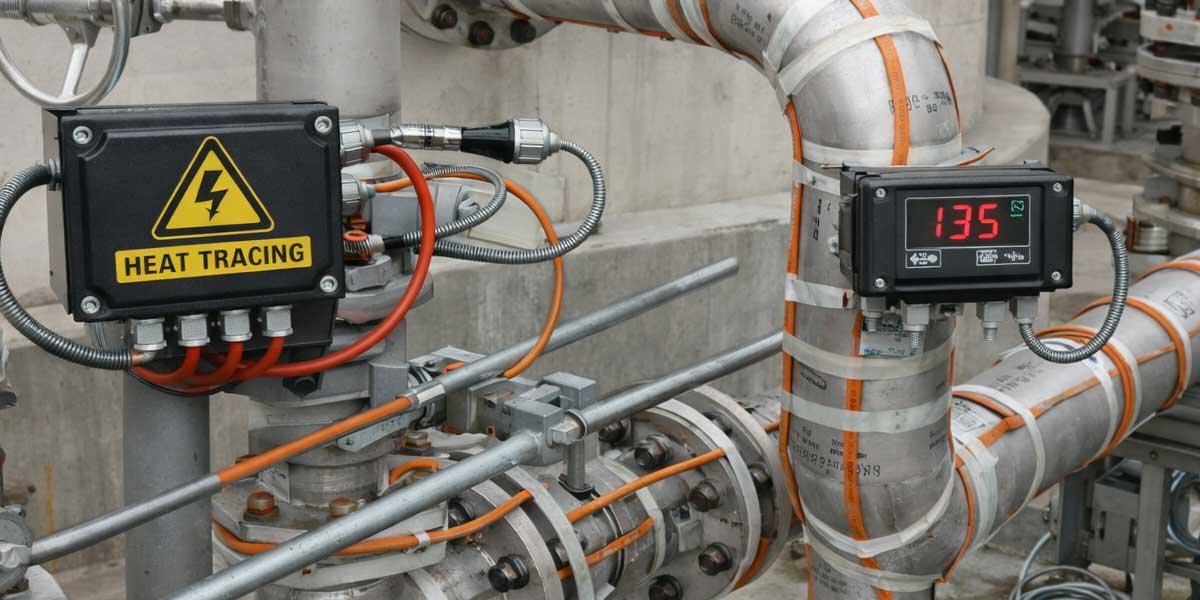
Common accessories include end seals, junction boxes, power connection kits, thermostats, splice kits, warning labels, and mounting tapes. Each component must be compatible with the cable type and installation environment.
Using low-quality or mismatched accessories can create weak points in the system. For example, a poorly sealed connection can allow moisture to enter, which may lead to faults or electrical failure. For this reason, choosing dependable components for electrical heating cables is a practical step toward long-term reliability.
Common Mistakes That Reduce System Life
Many heat trace problems come from avoidable mistakes. These may happen during design, installation, or maintenance.
Skipping Load Calculations
Guessing cable length or wattage can cause performance problems. Too little heat may not protect the surface properly, while too much heat can waste energy or damage materials. Accurate calculations help create a balanced system.
Poor Cable Placement
Cable should be positioned according to the manufacturer’s guidance and the application requirements. Overlapping cables, sharp bends, or loose placement can create hot spots or reduce effectiveness.
Ignoring Controls
Thermostats and sensors help the system operate only when needed. Without proper controls, the system may run continuously or fail to activate at the right time. This can increase costs and reduce reliability.
Neglecting Routine Inspections
Visual checks can reveal damaged insulation, loose fasteners, exposed cable, or signs of moisture. Testing electrical resistance and ground-fault protection can also help identify issues before they become serious.
Helpful technical resources, including Heatline.com, often highlight how simple installation and maintenance errors can undermine system performance.
Maintenance Tips for Better Reliability
Preventive maintenance is the best way to keep a heat trace system working properly.
Start by inspecting the system before cold weather arrives. Look for damaged insulation, loose cable, corrosion, missing labels, or exposed connections. Confirm that power connections are secure and that thermostats or controllers are functioning correctly.
After severe weather, construction work, or pipe repairs, inspect the system again. Heat trace cables can be accidentally cut, crushed, or displaced during unrelated maintenance tasks.
It is also wise to keep documentation. Record cable type, installation layout, test results, control settings, and repair history. This makes troubleshooting easier and helps future technicians understand the system.
When to Repair or Replace Components
Small problems should not be ignored. If a cable shows visible damage, repeated tripping, inconsistent heating, or moisture intrusion, the affected area should be checked by a qualified professional.
In some cases, replacing an accessory is enough. In others, a cable section or entire system may need replacement. The right decision depends on the age of the system, damage level, safety concerns, and cost of repair.
Conclusion
A dependable heat trace system requires more than installation and hope. Long-term performance depends on correct cable selection, proper accessories, quality insulation, careful controls, and regular maintenance.
By avoiding common mistakes and addressing small issues early, property owners and facility managers can reduce downtime, improve efficiency, and extend the life of their systems.
FAQs
How often should a heat trace system be inspected?
At minimum, inspect it before the cold season begins. Additional checks are recommended after repairs, storms, construction work, or any event that may affect the cable or insulation.
Can heat trace cables be installed on any pipe?
Many pipe types can be protected, but the cable must be suitable for the pipe material, temperature requirement, and environment. Always follow product specifications.
Why does insulation matter in a heat trace system?
Insulation helps retain heat and reduces energy waste. Without proper insulation, the system may struggle to maintain the required temperature.
What are signs of a failing system?
Common warning signs include tripped breakers, uneven heating, visible cable damage, moisture around connections, or pipes freezing despite the system being powered.
Should damage cable be repaired or replaced?
It depends on the type and extent of damage. Electrical heat trace systems should be evaluated carefully, and repairs should follow manufacturer-approved methods.