A well-run home depends on more than attractive interiors and modern appliances. Behind every comfortable living space is a network of structural and utility systems that quietly support daily life. From the strength of the foundation to the condition of underground pipes, these hidden elements play a major role in long-term safety, comfort, and property value.
Homeowners often focus on visible upgrades, but the smartest improvements usually begin with what cannot be seen. Understanding foundations, plumbing risks, and modern repair options can help prevent costly surprises and keep a property reliable for years.
Contents
Why Strong Foundations Matter
A home’s foundation carries the entire weight of the structure. When it is properly planned and built, it helps prevent uneven settling, wall cracks, moisture problems, and structural movement. However, not every property needs the same type of foundation.
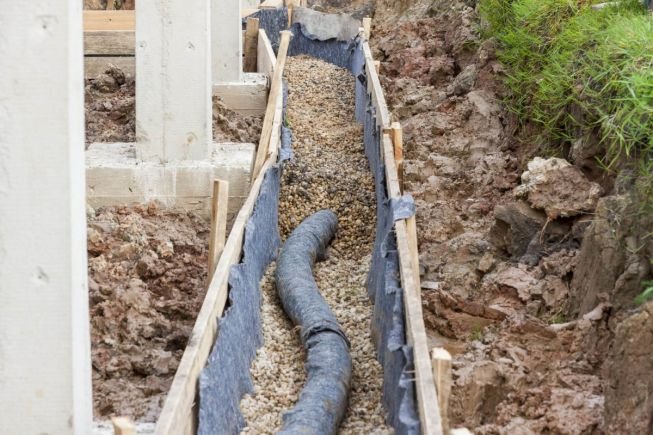
Soil conditions, building size, local climate, and drainage patterns all influence the best foundation choice. For example, homes built on soft, unstable, or water-prone ground may need deeper support systems. In such cases, pile foundations can transfer the building’s load to stronger soil or rock layers below the surface.
For readers who want a deeper overview of choosing this kind of structural support, this website explains useful considerations around pile foundation selection.
Common Signs of Foundation Stress
Foundation problems do not always appear suddenly. Often, they develop slowly and become noticeable through small warning signs. These may include doors that no longer close properly, cracks near windows, uneven floors, gaps around trim, or water pooling near the base of the home.
While minor cracks are not always serious, recurring or widening damage should not be ignored. Early inspection can prevent a small repair from becoming a major structural issue.
Plumbing: The Hidden System That Keeps Life Moving
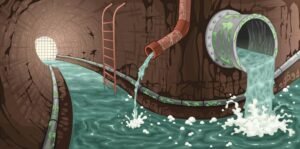
Just as the foundation supports the home, plumbing supports daily routines. Clean water, drainage, heating systems, and household appliances all depend on pipes working properly. When pipes are old, corroded, blocked, or placed under pressure, problems can quickly disrupt normal life.
A sudden pipe burst can damage flooring, walls, furniture, electrical systems, and personal belongings. Even a smaller leak can encourage mold growth and weaken building materials if left unresolved.
What Causes Pipe Damage?
Several factors can lead to pipe failure. Aging materials are one of the most common causes, especially in older homes with outdated plumbing. Freezing temperatures can also put pressure on pipes when water expands. Tree roots may invade underground lines, while shifting soil can crack or separate buried pipes.
Poor installation, high water pressure, mineral buildup, and lack of maintenance may also contribute to plumbing issues. Because many pipes are hidden behind walls or underground, problems are often discovered only after damage has already begun.
Modern Repair Options for Aging Pipes
Traditional pipe repair often involved digging trenches, removing flooring, or breaking through walls. While this approach is sometimes still necessary, newer methods can reduce disruption and speed up the repair process.
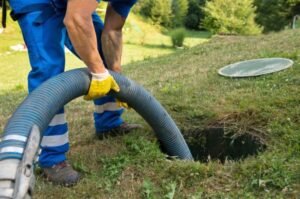
One modern option is pipe bursting, a trenchless method used to replace damaged underground pipes. Instead of digging up the entire line, technicians use specialized equipment to break the old pipe while pulling a new one into place. This can be especially useful when pipes run under driveways, landscaping, or other finished areas.
Homeowners who are curious about the process may wonder how does pipe bursting work and why it is often considered a practical solution for certain plumbing replacements.
Benefits of Less Invasive Repairs
Less invasive plumbing methods can save time and reduce property disturbance. They may also help preserve landscaping, patios, pathways, and other outdoor features. However, the right repair method depends on pipe condition, location, material, and the cause of damage.
A licensed professional should inspect the system before recommending any repair. Camera inspections, pressure testing, and site evaluation can help determine whether trenchless replacement or another method is suitable.
Preventive Maintenance Makes a Big Difference
The best time to address home infrastructure is before a serious failure occurs. Regular maintenance gives homeowners a chance to spot risks early and plan repairs on their own schedule.
Simple habits can help. Keep gutters clear so water drains away from the foundation. Watch for slow drains, unusual odors, damp spots, or sudden changes in water pressure. Avoid planting large trees too close to underground lines. During cold weather, protect exposed pipes and maintain indoor temperatures to reduce freezing risks.
It is also wise to schedule professional inspections, especially before buying an older home or starting a major renovation. Structural and plumbing assessments can reveal hidden issues that may affect budgets and project timelines.
Conclusion
A dependable home is built on strong systems. Foundations provide stability, while plumbing keeps essential services running smoothly. When either system fails, the results can be expensive and stressful.
By learning how these hidden parts of the home work, paying attention to early warning signs, and using modern repair options when appropriate, homeowners can protect their property and enjoy greater peace of mind. Smart maintenance is not just about fixing problems. It is about building long-term confidence in the place you call home.
FAQs
What is the most important part of home infrastructure?
The foundation and plumbing system are both essential. The foundation supports the structure, while plumbing manages water supply and drainage. Problems with either can lead to serious damage.
How often should homeowners inspect their plumbing?
Homeowners should watch for visible warning signs regularly and consider a professional inspection every few years, especially in older homes or properties with large trees nearby.
Are small foundation cracks always dangerous?
Not always. Some small cracks are normal as materials settle. However, cracks that grow, spread, leak water, or appear with uneven floors should be checked by a professional.
Can modern pipe replacement reduce digging?
In some cases, yes. Trenchless methods can replace underground pipes with less excavation than traditional digging, depending on the pipe’s condition and location.
What is the best way to prevent water damage at home?
Monitor plumbing, fix leaks quickly, keep drainage systems clear, direct water away from the foundation, and schedule inspections when warning signs appear.