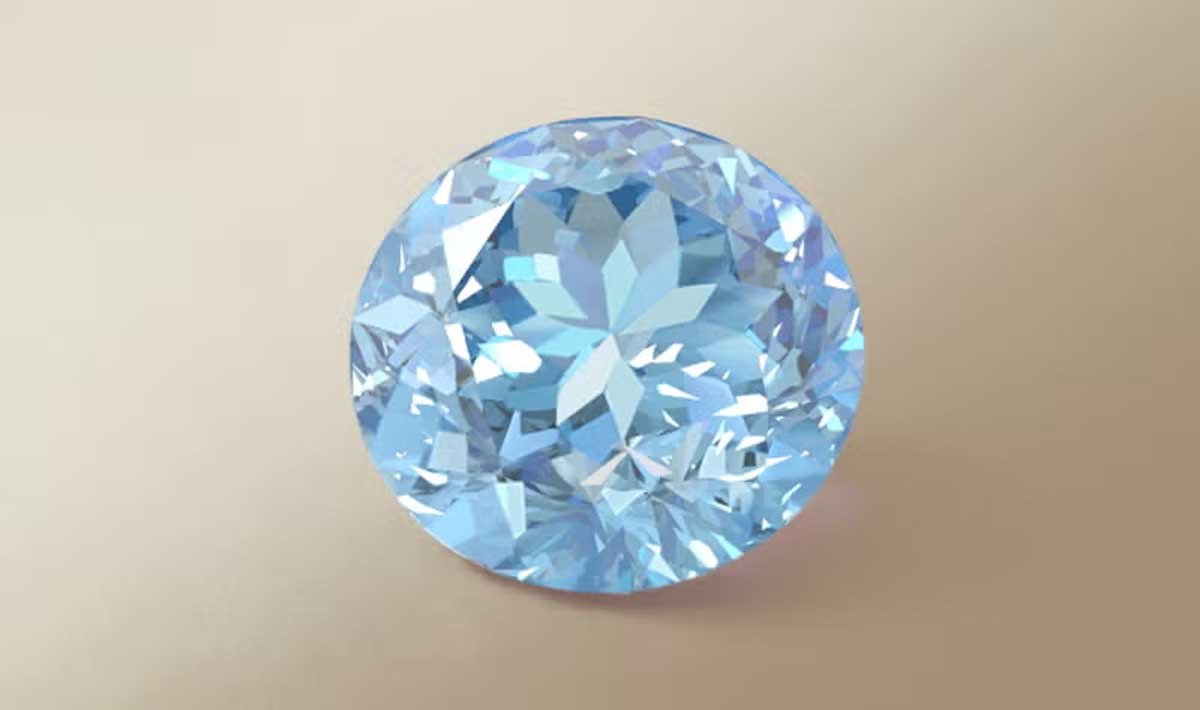
Blue is the color most people reach for when they picture a colored engagement stone, but blue is not one thing. It runs from the pale, watery clarity of a spring sky to the deep velvet of a midnight ocean, and the two gems that most often carry it into a ring read very differently on the hand. Aquamarine and sapphire can sit side by side in the same display case and still tell opposite stories. One feels airy and transparent, the other dense and saturated. Before you commit to either, it helps to slow down and actually read the blue in front of you, because the choice is less about which stone is better and more about which blue belongs to the person who will wear it every day.
Contents
The two blues, side by side
Set an aquamarine next to a blue sapphire and the first thing you notice is weight of color. Aquamarine tends to be light and luminous, a pale blue to blue-green that lets a lot of light pass straight through it. Sapphire, when it leans classic, holds a richer, more concentrated blue that reads almost inky in comparison. That difference in intensity shapes everything else about how the two stones behave. If you are trying to understand the practical trade-offs before you shop, it is worth reading a clear breakdown of how aquamarine and sapphire compare so the vocabulary of tone, saturation, and durability is familiar before a stone is ever in front of you. Knowing what you are looking at turns a vague preference for blue into a specific, confident choice.
Hardness and everyday wearability
An engagement stone lives a hard life. It rides along with hand washing, typing, gardening, cooking, and the thousand small knocks of an ordinary week, so durability is not a technical footnote. It is a daily reality. On the standard mineral hardness scale, sapphire sits near the very top, just below diamond, which makes it exceptionally resistant to scratching and a natural fit for a stone meant to be worn constantly. Aquamarine is still a genuinely durable gem and holds up well to regular wear, but it is softer than sapphire and asks for a little more mindfulness. Neither stone is fragile in the way an opal or a pearl might be, yet if your daily routine is rough on your hands, the harder stone gives you more margin. Setting choices matter too. A protective bezel or a slightly lower profile shelters any colored stone better than a tall, exposed mount, regardless of which blue you land on.
Tone and saturation, the two dials that matter
Color in a gem is really two dials turning at once. Tone is how light or dark the stone reads, from pale to deep. Saturation is how pure and vivid the color is, versus how gray or muted. Aquamarine usually lives in the lighter, gentler range of both dials, which is exactly what gives it that fresh, transparent quality. Sapphire covers a much wider spread. It can be a soft cornflower blue, a bold royal blue, or a deep, almost navy tone, and it also appears in colors far beyond blue at all. When people picture the ideal of each stone they often picture the extremes, but the most wearable choice frequently sits somewhere in the middle. A medium-tone, well-saturated stone flatters more skin tones and reads beautifully across more lighting than the darkest or palest version of either gem.
How each stone reads in different light
A stone you choose under bright showroom lighting will spend most of its life in far softer conditions, and blue gems are especially sensitive to the light around them. Aquamarine, because it is so transparent and pale, tends to look its brightest in natural daylight, where it catches the sky and seems to glow from within. In dim indoor light it can quiet down and read almost colorless, which some people love for its subtlety and others find too understated. Sapphire behaves in the opposite direction. Its depth of color holds up under low light, and a strong blue can look dramatic by candlelight or lamplight where a paler stone would fade. Before committing, it is genuinely useful to view a stone in several settings: by a window, under warm indoor bulbs, and in the cool light of an overcast day. The blue that stays beautiful across all of them is the blue worth choosing.
The symbolism each blue carries
Part of choosing a colored engagement stone is choosing the meaning that travels with it. Aquamarine has long been linked to the sea, to calm, and to steady communication between partners. Its very name points to water, and its cool clarity has traditionally symbolized honesty, tranquility, and a relationship that keeps its head in rough weather. Sapphire carries a heavier historical weight. For centuries it has stood for loyalty, wisdom, fidelity, and enduring commitment, which is precisely why it has appeared on so many engagement rings across generations and cultures. Neither meaning is better than the other. They simply speak to different temperaments. One couple wants the serenity of open water, another wants the gravity of an ancient promise, and the stone becomes a small daily reminder of whichever value they chose to honor.
Matching the stone to the wearer
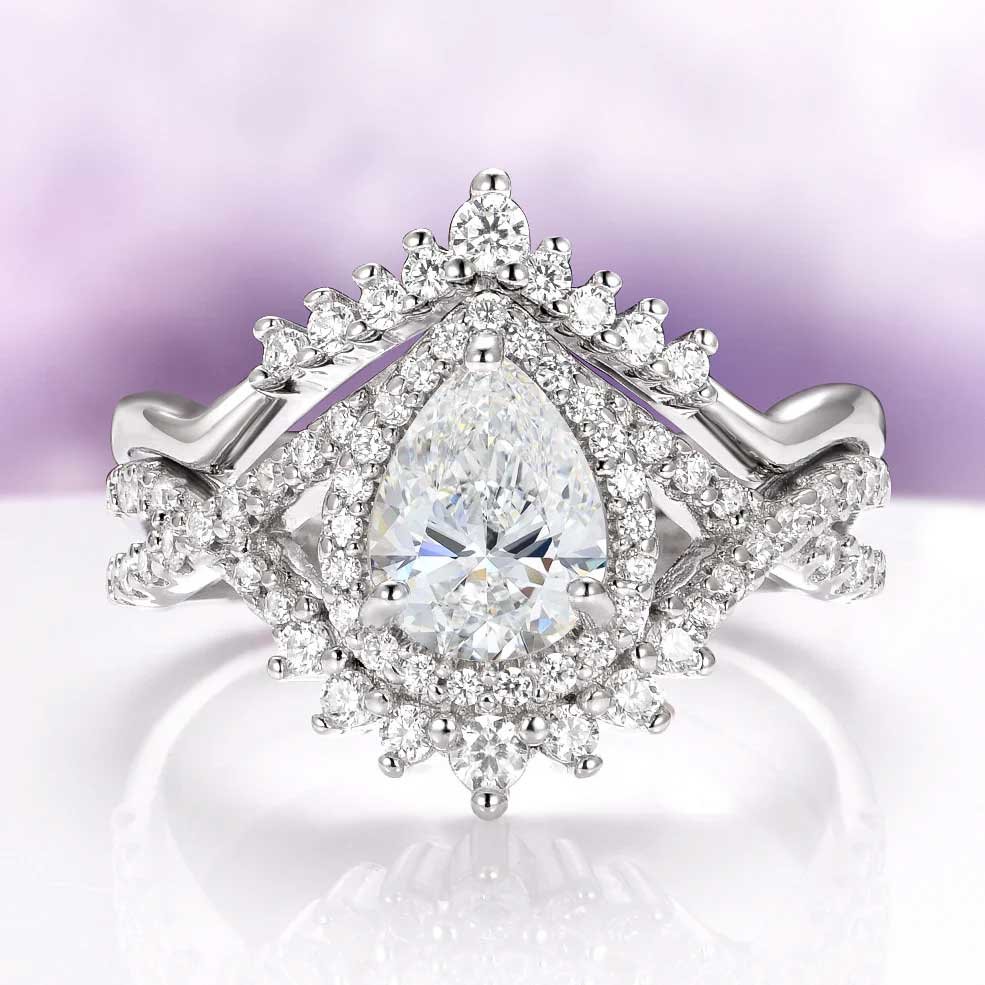
The most reliable way to choose is to stop thinking about the stones in the abstract and start thinking about the person. Notice the colors they already gravitate toward, the metals they wear, and whether their taste runs bold or quiet. Someone drawn to soft, airy palettes and understated jewelry often connects instantly with aquamarine, while someone who loves saturated color and a stone that makes a statement tends to reach for sapphire. Lifestyle matters just as much as taste. Active hands and a low-maintenance routine argue for the harder, more forgiving stone, and there is a real depth of choice within well-made sapphire engagement rings for anyone who wants durability and a rich blue in the same piece. A few practical prompts can sharpen the decision:
- Is the wearer drawn to pale, luminous color or to deep, saturated color?
- How demanding is their daily routine on their hands?
- Do they want a stone that glows in daylight or one that holds its drama indoors?
- Which meaning resonates more: serenity and calm, or loyalty and endurance?
The takeaway before you commit
There is no universal winner between aquamarine and sapphire, and that is the point. One is light, transparent, and serene; the other is deep, resilient, and steeped in centuries of symbolism. The right choice is the one that matches the wearer’s coloring, their daily life, and the meaning they want to carry on their hand. Take the time to read the blue in front of you under real, everyday light, weigh how the stone will live rather than only how it looks in a case, and let the person, not the trend, decide. Do that, and whichever blue you commit to will still feel right long after the decision is made.