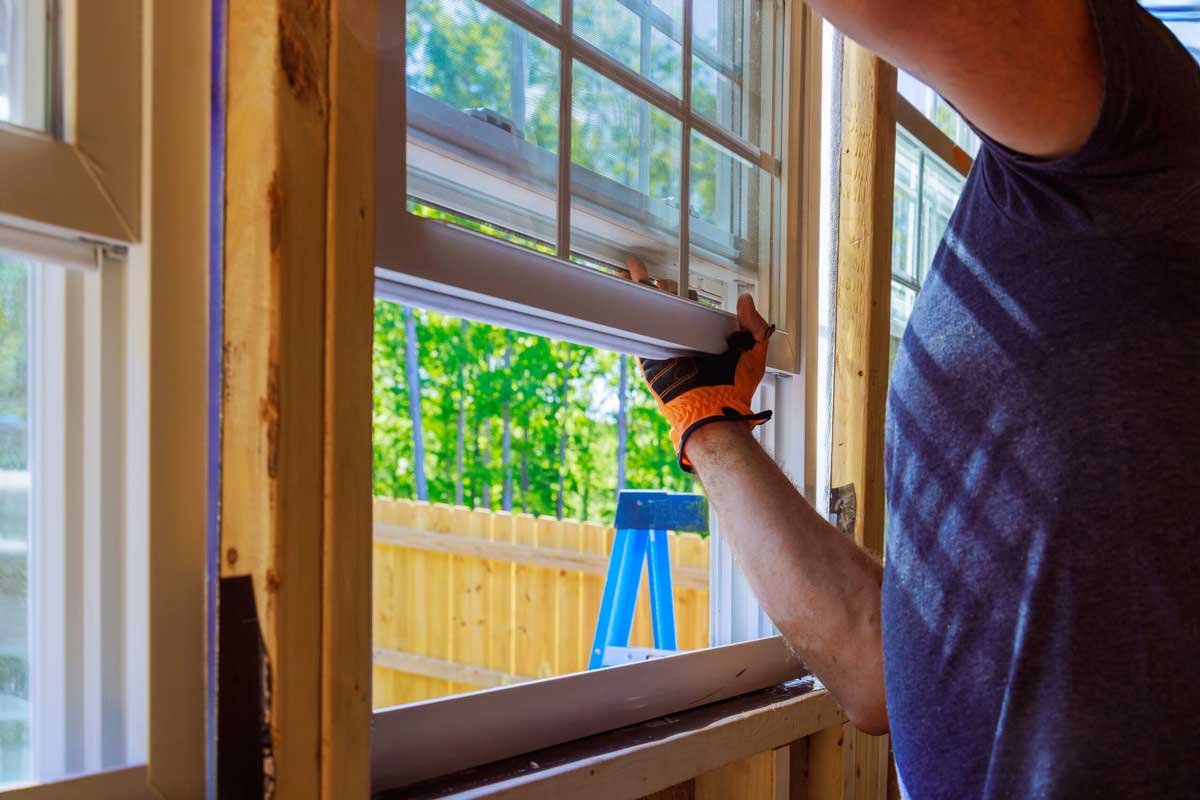
Windows play a significant role in a building’s energy efficiency. While regular maintenance can extend the lifespan of existing windows, there comes a point when replacing them completely becomes a more effective solution than repeatedly repairing them. Modern windows are made with advanced materials and technologies that reduce heat transfer, improve air sealing, and enhance overall thermal performance. Therefore, replacing outdated windows can contribute significantly to lower energy consumption and a more comfortable indoor environment.
Although replacing windows requires a larger initial investment than repairing them, the improved thermal performance can lead to lower heating and cooling costs in the long run. Additional benefits, such as reduced condensation, improved noise insulation, increased durability, and enhanced property value, further strengthen the case for replacement. Find experienced contractors for window replacement https://www.commercial-nds.com/our-services/windows-replacement/ at your area for quality construction work.
Why is replacement better than repairing old windows?
- Better insulation. Older windows often have single glazing or early double-glazed units with relatively poor thermal performance. Modern windows commonly feature double or triple glazing with an insulating gas, such as argon or krypton, sealed between the panes. These additional insulating layers reduce the amount of heat that escapes during the winter and that enters the building during the summer.
- Advanced low-emissivity glass coatings. These nearly invisible coatings reflect heat while allowing natural light to pass through. During the colder months, they help retain indoor heat by reflecting it back into the room. During warmer weather, they reduce unwanted solar heat gain, which decreases the need for air conditioning. Older windows generally lack this technology, making them less effective at controlling indoor temperatures.
- Improved air sealing. Over time, window frames can warp, seals can deteriorate, and small gaps can form around the window assembly. These openings allow outside air to enter and conditioned indoor air to escape, forcing heating and cooling systems to work harder. New windows are manufactured with precision-engineered seals, weather stripping, and tighter-fitting frames that significantly reduce air leakage.
- The frame material. Many older windows have metal frames with limited thermal insulation, and wooden frames may have deteriorated after years of exposure to moisture and changing temperatures. Modern vinyl, fiberglass, composite, and thermally broken aluminum frames provide much better insulation and require less maintenance. Their improved thermal resistance reduces heat transfer through the window frame itself.
- Improved installation quality. Even high-performance windows cannot operate efficiently if installed incorrectly. During replacement, contractors can repair damaged framing, replace worn insulation around the opening, install modern flashing systems, and properly seal the gaps between the window and wall. These steps create a more continuous thermal barrier, which helps prevent drafts and moisture intrusion.
New windows not only reduce energy use, but also often improve indoor comfort. Better insulation minimizes cold spots near windows in the winter and helps maintain consistent indoor temperatures throughout the building. Reduced drafts create a more pleasant living or working environment. Combining modern glazing technologies, high-performance frame materials, improved air sealing, and professional installation provides a comprehensive window replacement that significantly improves a building’s overall energy efficiency.