A well-maintained home rarely stays that way by accident. Small problems can develop quietly until they become expensive, disruptive repairs. Preventive maintenance gives homeowners a practical way to stay ahead of trouble by handling minor tasks before they escalate. From checking plumbing and HVAC systems to inspecting the roof and foundation, a little attention throughout the year can protect your property, improve efficiency, and extend the life of essential systems.
Contents
- 1 Inspect Your Plumbing Before Leaks Become Expensive
- 2 Maintain Your HVAC System for Reliable Performance
- 3 Protect Your Roof, Gutters, and Exterior
- 4 Take Care of Your Drainage and Septic System
- 5 Inspect Electrical and Safety Equipment Regularly
- 6 Create a Maintenance Schedule You Can Actually Follow
- 7 Conclusion
Inspect Your Plumbing Before Leaks Become Expensive
Plumbing problems often begin with subtle warning signs. A dripping faucet, slow drain, damp cabinet, or running toilet may not seem urgent, but ignoring these issues can waste water and contribute to larger problems. Regularly inspect visible pipes, valves, faucets, toilets, and connections for moisture, corrosion, mineral buildup, or other changes. Catching a small leak early can prevent water damage to cabinets, floors, walls, and ceilings.
Pay attention to changes in water pressure as well. A sudden drop or increase may indicate a plumbing issue that needs investigation. Slow drains throughout the house can also signal a developing blockage or drainage problem. Rather than relying on repeated temporary fixes, identify the underlying cause and address it promptly.
Keep Drains and Fixtures in Good Condition
Avoid treating drains as disposal points for materials that can cause clogs. Use appropriate drain screens where needed and clean them regularly. Periodically inspect faucet aerators and shower fixtures for mineral buildup, especially in areas with hard water.
It is also useful to know where your home’s main water shutoff valve is located. If a pipe suddenly fails, shutting off the water quickly can greatly limit damage. Make sure household members know its location and how to operate it before an emergency occurs.
Maintain Your HVAC System for Reliable Performance
Heating and cooling equipment operates for long periods, making regular maintenance essential for comfort and efficiency. Replace or clean HVAC filters according to the needs of your system and household. A clogged filter can restrict airflow and make equipment work harder, potentially increasing energy consumption and contributing to premature wear.
Inspect vents and returns regularly to make sure furniture, curtains, dust, or other objects are not blocking airflow. Listen for unusual sounds and watch for changes in heating or cooling performance. If a system takes longer than usual to reach the desired temperature or repeatedly struggles to maintain comfort, scheduling a professional inspection can help identify the problem before a complete breakdown.
Prepare Systems Before Peak Seasons
Do not wait until the hottest or coldest days of the year to discover that your HVAC system needs attention. Arrange routine servicing before periods of heavy use whenever practical. Professional inspections can uncover issues that are difficult to identify through a basic visual check.
Keeping the area around outdoor HVAC equipment clear is another simple preventive measure. Remove leaves, grass, debris, and other obstructions while maintaining safe clearance around the unit. Good airflow can help equipment operate as intended.
Protect Your Roof, Gutters, and Exterior
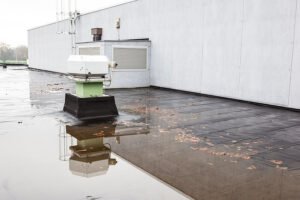
Your home’s exterior provides its first line of defense against rain, wind, snow, sunlight, and other weather conditions. Inspect the roof periodically for damaged, missing, or deteriorating materials. Look for signs of water intrusion around ceilings and attic spaces as well. Addressing a small roofing issue early may prevent moisture from reaching insulation, framing, drywall, and other parts of the structure.
Gutters and downspouts deserve similar attention. Leaves and debris can block drainage, causing water to overflow against siding or collect near the foundation. Clean gutters regularly and make sure downspouts direct water away from the house. After major storms, perform a visual inspection for new damage.
Check Windows, Doors, and Exterior Seals
Inspect caulking and weatherstripping around windows and doors. Cracked or deteriorated seals can allow drafts and moisture into the home, reducing energy efficiency and potentially contributing to water damage.
Check exterior walls, siding, decks, fences, and other exposed surfaces for cracks, rot, peeling finishes, or loose components. Small defects are generally easier and less expensive to correct than damage that has been allowed to spread through repeated exposure to moisture and weather.
Take Care of Your Drainage and Septic System
Water management plays an important role in protecting your property. Walk around your home after rainfall and look for standing water, saturated soil, or areas where runoff collects near the foundation. Persistent moisture can contribute to foundation concerns, landscaping problems, mold growth, and erosion.
Homes with septic systems require additional attention because their wastewater systems depend on proper use and routine care. Avoid flushing unsuitable materials or introducing substances that could interfere with normal system operation. Be alert for slow drains, unpleasant odors, unusually wet areas near the drain field, or changes in how fixtures drain. Depending on system requirements and household usage, professional septic tank cleaning services in Salt Lake City can be an important part of a preventive maintenance schedule.
Keep Heavy Activity Away From Sensitive Areas
Avoid driving vehicles or placing heavy structures over septic tanks and drain fields unless the system has been specifically designed to support that load. Compacted soil can interfere with drainage and potentially damage system components.
Landscaping should also be planned carefully around underground wastewater components. Deep-rooted plants may interfere with certain parts of a septic system, while excessive irrigation can add unnecessary water to the drain field. Understanding where system components are located makes routine care much easier.
Inspect Electrical and Safety Equipment Regularly
Electrical issues can create serious safety risks, so basic inspections should be part of routine home care. Watch for frayed cords, damaged outlets, loose switches, flickering lights, or unusual warmth around electrical components. Do not ignore burning odors, sparks, or repeated circuit breaker trips. These signs can indicate problems that require professional attention.
Test smoke and carbon monoxide detectors according to manufacturer recommendations and replace batteries when necessary. Keep fire extinguishers accessible and check them periodically for visible damage or other concerns. Make sure everyone in the household knows basic emergency procedures and where important shutoffs are located.
Look Beyond the Obvious
Preventive maintenance also includes less noticeable areas of the home. Inspect the attic and crawl spaces for moisture, pests, damaged insulation, or unusual odors. Check under sinks and behind appliances where small leaks can remain hidden for extended periods.
Examine the foundation and interior walls for new cracks or changes in existing ones. Not every crack indicates a serious structural problem, but noticeable changes should be documented and evaluated when appropriate. Early investigation can help distinguish routine settling from conditions that require professional attention.
Create a Maintenance Schedule You Can Actually Follow
Preventive maintenance becomes much more effective when it is organized. Instead of trying to remember every task, divide responsibilities into monthly, seasonal, and annual categories. Monthly checks might include looking for plumbing leaks and testing certain safety equipment. Seasonal tasks can include inspecting gutters, preparing HVAC systems, and checking exterior surfaces.
Annual maintenance may involve professional inspections, deeper system servicing, and tasks that do not need frequent attention. Keep a record of completed work, repairs, inspections, and equipment servicing. This record can help you anticipate recurring maintenance and provide useful information when a professional needs to diagnose an issue.
Prioritize Problems Based on Risk
Not every maintenance task requires immediate attention, so prioritize issues according to their potential consequences. Active leaks, electrical hazards, gas-related concerns, significant roof damage, and major drainage problems deserve prompt attention. Cosmetic issues can usually be scheduled around more urgent repairs.
Set aside a small amount of time each month for a quick walkthrough of your home. Look, listen, and smell for changes that were not present before. Unusual noises, new stains, musty odors, temperature differences, or unexplained increases in water or energy use can all serve as early warning signs.
Conclusion
Preventive maintenance is one of the simplest ways to protect a home from avoidable damage. Regular inspections of plumbing, HVAC equipment, roofing, drainage, electrical systems, and exterior surfaces can reveal problems while they are still manageable. By creating a realistic maintenance schedule and responding to warning signs promptly, homeowners can reduce repair costs, improve household safety, and keep essential systems working reliably for years.