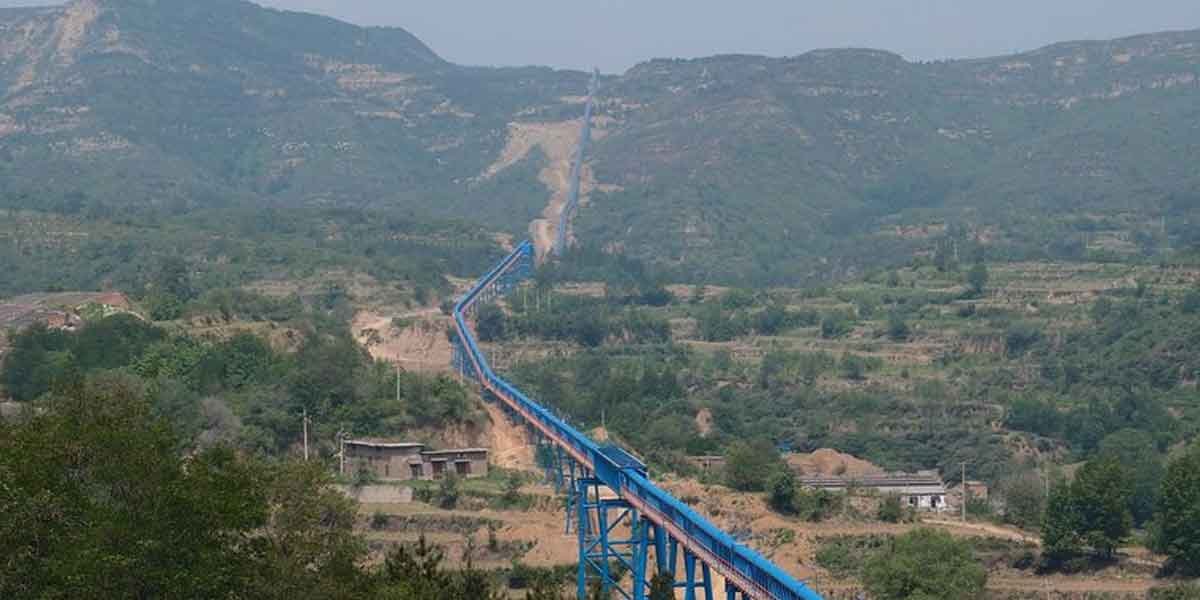
Transporting unrefined industrial resources through high-altitude corridors presents some of the most demanding logistical challenges in the freight sector. Unlike consumer goods sealed in uniform pallets, raw materials like crushed aggregate, timber, extracted ore, and refined liquid fuels are heavy, unstable, and sensitive to environmental changes. Moving these dense loads through steep gradients requires specialised mechanical setups, precise route planning, and high-level vehicle operation.
Contents
Mechanical Demands of High-Altitude Freight
Ascending and descending steep mountain passes places extreme stress on heavy vehicles. Transporting raw, dense commodities amplifies these forces, requiring specialized equipment configurations to maintain safety and efficiency.
Power, Torque, and Powertrain Configuration
High-altitude driving reduces engine air intake, which drops overall power output unless engines feature turbochargers calibrated for thin air. Moving tens of thousands of pounds of raw timber or mineral concentrates up an eight-percent grade requires immense low-end torque. Transmissions must offer wide gear ratios, often utilizing 13-speed or 18-speed manual setups or heavy-duty automated manual systems, allowing drivers to keep engine revolutions in the peak power band without overheating the cooling system.
Braking Systems and Descent Control
Descending a mountain pass with maximum allowable gross weight demands strict thermal management of the braking hardware. Relying exclusively on service brakes leads to rapid friction pad glazing and catastrophic brake fade. Auxiliary retarders, such as compression engine brakes, slow the vehicle by harnessing engine backpressure. Modern heavy haulers also utilize electromagnetic or hydraulic driveline retarders to control speeds on long downhill stretches, saving primary air brakes for full stops.
Mountain passes subject heavy equipment to volatile weather patterns, tight turning radii, and shifting road surfaces. Operations must continuously adapt to unpredictable physical constraints.
Unstable Loads and Shifting Center of Gravity
Raw materials rarely remain static during transit. Liquid bulk loads, such as unrefined crude or industrial chemicals, experience fluid surge during deceleration and cornering, which can easily compromise vehicle stability. Dry bulk items like gravel or mined ore can settle unevenly if shifted by sharp turns or sudden elevation changes. Proper baffle installation in liquid tankers and precise load placement in end-dumps help keep the center of gravity low and centered.
Weather Instability and Surface Traction
Elevated mountain roads experience sudden microclimates. Rain at the base of a pass can transition into packed snow or black ice near the summit within a few miles. Maintaining momentum on icy inclines requires automatic traction control, differential locks, and properly installed tire chains. Sudden wind gusts through mountain canyons also present severe rollover risks for high-profile loads like raw timber or structural steel components.
Regulatory, Logistics, and Workforce Considerations
Moving industrial bulk through fragile mountain ecosystems requires rigorous regulatory compliance and highly skilled personnel capable of managing complex road environments.
Route Planning and Weight Regulations
State departments of transportation enforce strict axle-weight limitations, bridge formulas, and seasonal road restrictions to protect mountain infrastructure from accelerated wear. During spring thaws, road subgrades soften, prompting local authorities to impose temporary weight limits on secondary mountain routes. Dispatchers and logistics coordinators must evaluate weather patterns, gradient severity, runaway truck ramp availability, and overhead clearance limits long before a vehicle departs the terminal.
Specialist Workforce Requirements
Navigating heavy loads through narrow mountain passes demands exceptional spatial awareness, deep mechanical knowledge, and composure under pressure. Companies managing regional infrastructure routes actively recruit skilled drivers to tackle these steep corridors. Qualified operators exploring specialized heavy-haul career paths can find competitive opportunities by searching for truck driving jobs in Utah, where rugged geography demands top-tier mountain driving expertise. Continuous training in pre-trip inspections, brake adjustment, and emergency chain placement ensures drivers handle extreme elevation shifts safely.
Operational Strategy for Mountain Logistics
Successfully transporting raw industrial supplies across steep terrain hinges on combining robust mechanical engineering with disciplined driving practices. By investing in heavy-duty powertrains, monitoring real-time weather alerts, adhering strictly to regional weight mandates, and employing well-trained drivers, freight carriers can deliver heavy raw materials to processing facilities safely and efficiently, regardless of the terrain.