Cold weather can create serious challenges for commercial buildings, industrial sites, utilities, and critical infrastructure. When temperatures drop, exposed pipes, valves, tanks, and process lines can freeze quickly. The result may be costly downtime, damaged equipment, safety risks, and emergency repairs.
One of the most reliable ways to reduce these risks is through heat trace systems. These systems help maintain temperatures in vulnerable areas, keeping operations stable even during harsh winter conditions. Understanding how they work, where they are used, and what safety considerations matter can help facility managers make better long-term decisions.
Contents
- 1 What Is a Heat Trace System?
- 2 Why Freeze Protection Matters for Commercial Facilities
- 3 Key Components of a Reliable Heat Trace System
- 4 Safety Standards Should Never Be Overlooked
- 5 How Heat Trace Supports Critical Infrastructure
- 6 Choosing the Right System for Your Facility
- 7 Maintenance Tips for Long-Term Performance
- 8 Conclusion
- 9 FAQs
What Is a Heat Trace System?
A heat trace system uses heating cables installed along pipes, vessels, tanks, or other equipment to maintain the desired temperature. These cables produce controlled heat, helping prevent freezing or supporting process temperature maintenance.
In simple terms, the system acts like a protective layer against cold exposure. Instead of allowing pipes or equipment to drop below safe operating temperatures, the heat trace cable supplies steady warmth where it is needed most.
Common applications include:
- Water lines
- Fire sprinkler systems
- Fuel lines
- Chemical processing pipes
- Storage tanks
- Roof drains and gutters
- Wastewater treatment systems
For commercial and industrial sites, choosing the right electrical heat trace solution can make the difference between smooth winter performance and expensive disruption.
Why Freeze Protection Matters for Commercial Facilities
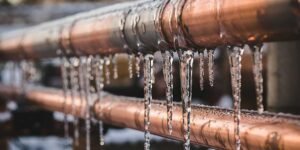
Frozen pipes are more than an inconvenience. In many facilities, a single frozen line can stop production, interrupt heating systems, damage fire protection equipment, or create flooding once the pipe thaws and bursts.
Commercial properties often have long pipe runs, outdoor equipment, loading docks, rooftops, and unheated spaces. These areas are especially vulnerable during sudden cold snaps. A heat trace system provides a proactive solution by helping maintain safe temperatures before freezing becomes a problem.
Beyond preventing damage, freeze protection supports business continuity. Facilities such as hospitals, data centers, warehouses, manufacturing plants, and municipal utilities cannot afford prolonged service interruptions. A well-designed system helps protect both assets and operations.
Key Components of a Reliable Heat Trace System
A complete heat trace setup is more than just heating cable. Several components work together to provide safe and efficient performance.
Heating Cable
The heating cable is the main element that generates heat. Different cable types are available depending on the application, temperature needs, exposure conditions, and energy requirements.
Insulation
Insulation helps retain the heat produced by the cable. Without proper insulation, much of the generated heat can be lost to the surrounding environment, reducing efficiency and performance.
Temperature Controls
Thermostats, sensors, and control panels help regulate system operation. They turn the system on or off based on temperature conditions, preventing unnecessary energy use.
Power Distribution
Power connections, junction boxes, and circuit protection devices help ensure the system receives electricity safely and consistently.
Monitoring Equipment
In larger facilities, monitoring systems can alert maintenance teams to faults, power issues, or temperature changes. This helps prevent small problems from turning into major failures.
Safety Standards Should Never Be Overlooked
Because heat trace systems involve electrical components and exposure to demanding environments, safety is essential. Poor installation, incorrect cable selection, damaged insulation, or improper controls can create hazards.
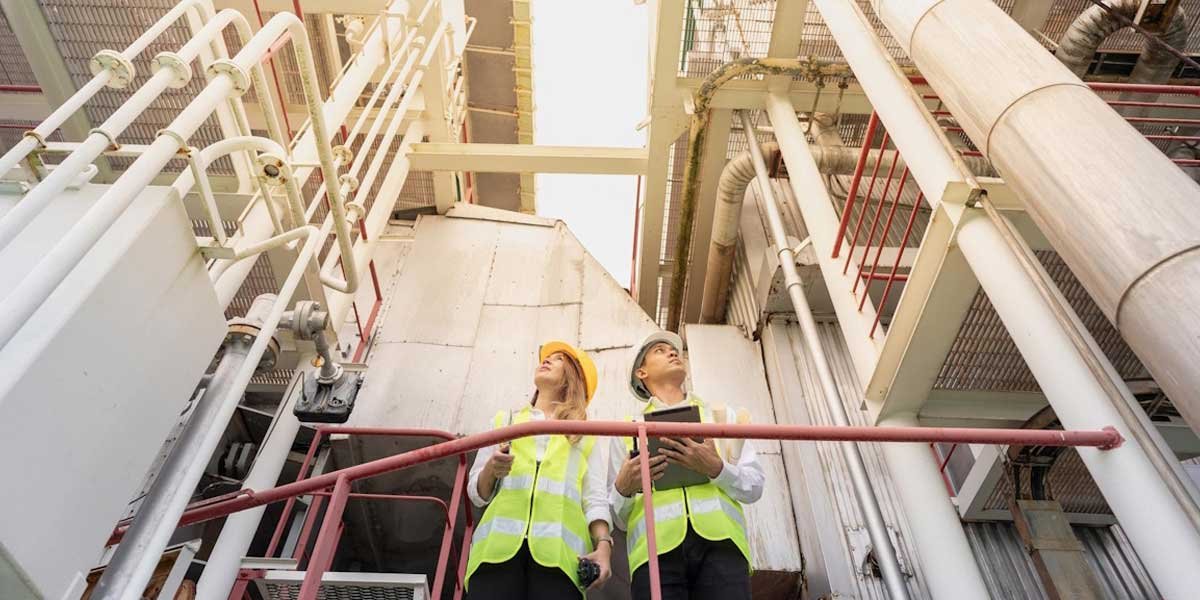
Professionals working with heat trace systems should understand relevant codes, manufacturer instructions, testing procedures, and maintenance requirements. This is especially important in industrial locations, hazardous areas, and facilities with flammable materials.
Regular inspections are also important. Over time, cables can be damaged by weather, maintenance work, vibration, corrosion, or physical impact. Routine testing helps confirm that the system is still operating correctly.
How Heat Trace Supports Critical Infrastructure
Heat trace systems play a major role in keeping essential services running. Power plants, water treatment facilities, transportation hubs, telecom sites, and energy operations often depend on exposed or semi-exposed piping and equipment.
When these systems fail, the consequences can extend beyond one building. Communities may experience service interruptions, supply chain issues, safety concerns, or emergency response delays.
That is why many organizations treat freeze protection as part of their broader infrastructure resilience strategy. To better understand how these systems support modern operations, facility teams can learn more about their role in critical infrastructure protection.
Choosing the Right System for Your Facility
Every facility has different needs. A warehouse in a mild climate may require a simpler setup than a chemical plant in a region with extreme winter temperatures. Before choosing a system, decision-makers should consider:
- Local winter temperature ranges
- Pipe size and material
- Fluid type inside the pipe
- Required maintenance temperature
- Exposure to wind, moisture, or chemicals
- Power availability
- Safety classification of the area
- Inspection and maintenance access
A professional assessment is often the best starting point. It helps identify vulnerable areas, calculate heat loss, and determine the correct cable type, insulation thickness, and control method.
Maintenance Tips for Long-Term Performance
A heat trace system should not be installed and forgotten. Regular maintenance helps extend its life and improve reliability.
Facility teams should inspect cables, insulation, power connections, and control panels before cold weather arrives. Any damaged insulation should be repaired quickly because moisture intrusion can reduce performance and increase risk.
It is also wise to test system operation before the first freeze. Waiting until a cold emergency occurs may leave little time to correct hidden issues.
Conclusion
Heat trace systems are an important part of winter readiness for commercial, industrial, and infrastructure facilities. They help prevent frozen pipes, protect equipment, support safety, and reduce the risk of costly downtime.
By selecting the right system, following safety standards, and maintaining equipment regularly, facility owners can create a stronger defense against cold weather challenges. For any operation that depends on reliable piping, tanks, or process equipment, heat trace technology is not just a convenience. It is a practical investment in resilience.
FAQs
What is the main purpose of a heat trace system?
The main purpose is to prevent freezing or maintain a required temperature in pipes, tanks, valves, and other equipment exposed to cold conditions.
Is heat trace only used in industrial settings?
No. Heat trace systems are used in commercial buildings, residential properties, municipal infrastructure, energy facilities, and industrial operations.
Does insulation still matter if heat trace cable is installed?
Yes. Insulation is essential because it helps retain heat and improves system efficiency. Without insulation, the cable may not perform as intended.
How often should a heat trace system be inspected?
It should typically be inspected before the cold season and after any maintenance work that may affect cables, insulation, or electrical connections.
Can heat trace systems reduce emergency repair costs?
Yes. By helping prevent freezing and related damage, these systems can reduce the likelihood of burst pipes, downtime, and urgent winter repairs.