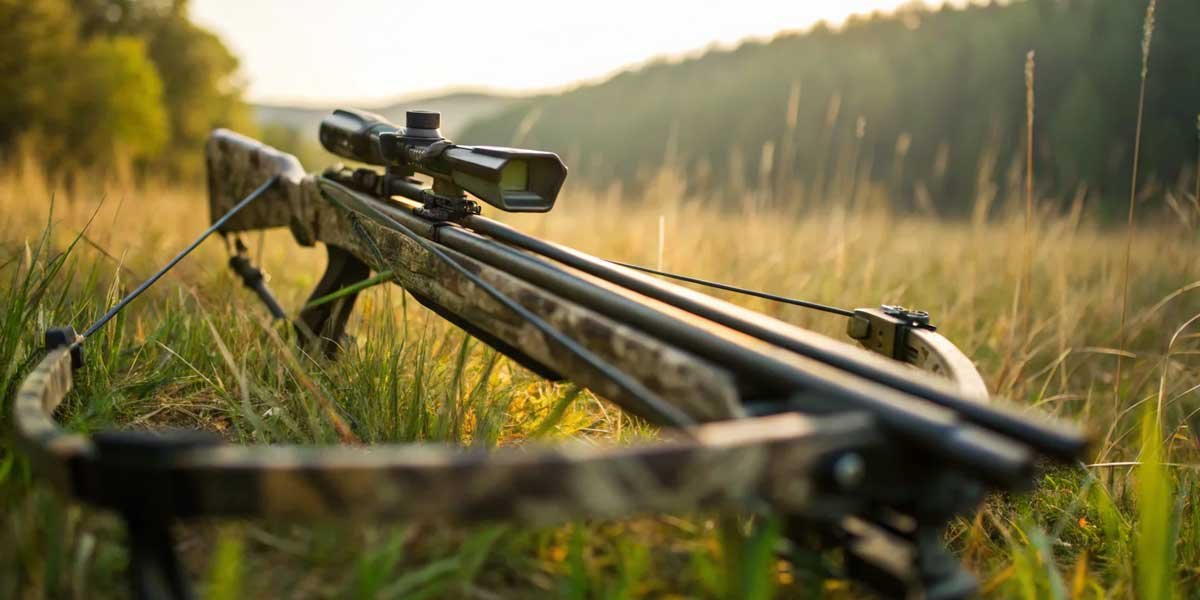
Crossbows have become increasingly popular among hunters and outdoor enthusiasts because they combine power, precision, and ease of use. However, choosing the right setup can feel overwhelming, especially with so many modern designs, materials, and technologies available today.
Whether you are new to crossbows or looking to upgrade your current equipment, understanding how different features affect performance can help you make a smarter investment. From selecting the ideal bow design to pairing it with the right arrows, every detail contributes to a better shooting experience.
Contents
Understanding Modern Crossbow Designs
Crossbow technology has evolved significantly over the years. Traditional models are still widely used, but manufacturers now offer advanced engineering that improves balance, speed, and handling.
One of the biggest decisions buyers face is choosing between forward-draw and reverse-draw crossbows. Each design offers unique advantages depending on your shooting style and intended use.
Forward-draw crossbows typically feature a more traditional structure, while reverse-draw models shift the limbs toward the shooter. This change in weight distribution can improve balance and reduce vibration during firing.
If you want a deeper comparison between these two designs and how they affect performance, you can explore this guide on aluminum arrows and crossbow configurations.
Why Balance Matters in Crossbows
A well-balanced crossbow is easier to hold steady, especially during longer hunting sessions. Poor weight distribution can lead to fatigue and inconsistent shots.
Reverse-draw models are often preferred by experienced hunters because they create a smoother shooting cycle. However, traditional forward-draw bows remain popular due to their reliability and simpler maintenance requirements.
The best choice depends on factors such as hunting terrain, shooting distance, and personal comfort.
Key Features to Consider Before Buying
Before purchasing a crossbow, it is important to focus on the features that truly impact usability and accuracy.
Draw Weight and Speed
Draw weight directly influences bolt speed and penetration power. Higher draw weights usually deliver faster shots, but they may also increase cocking difficulty.
For beginners, a moderate draw weight often provides the best balance between power and comfort. Experienced users who prioritize long-range accuracy may prefer higher-performance models.
Trigger Quality
A smooth trigger pull helps improve shot consistency. Heavy or rough triggers can cause unwanted movement right before release.
Premium crossbows typically include advanced trigger systems designed for cleaner releases and improved precision.
Noise and Vibration Reduction
Modern hunters often prioritize quiet shooting systems. Excessive vibration can alert game animals and reduce shooting comfort.
Many manufacturers now incorporate dampening systems and upgraded limb technology to minimize sound and recoil.
To better understand how recent innovations are improving overall performance, you can learn more about twin riser technology and its impact on modern crossbow engineering.
Choosing the Right Arrows for Better Accuracy
Even the best crossbow will not perform properly without compatible arrows. Arrow material, weight, and durability all influence shooting results.
Carbon vs. Aluminum Arrows
Carbon arrows are lightweight and highly durable, making them a favorite among hunters seeking maximum speed and consistency.
Aluminum arrows, on the other hand, are known for their straightness and affordability. They can provide excellent accuracy for target shooting and recreational use.
The ideal option depends on your preferred shooting environment and overall budget.
Arrow Length and Weight
Using incorrect arrow sizes can negatively affect both safety and accuracy. Always follow the manufacturer’s recommendations for arrow specifications.
Heavier arrows generally produce better penetration and quieter shots, while lighter arrows often achieve faster speeds.
Balancing speed and kinetic energy is essential for optimal hunting performance.
The Importance of Proper Fit and Comfort
Many buyers focus entirely on speed ratings and overlook comfort. However, a crossbow that feels awkward or difficult to maneuver can reduce overall accuracy.
Adjustable Stocks and Grips
Adjustable stocks allow shooters to customize the fit based on body size and shooting style. Comfortable grips also help maintain control during extended use.
When testing a crossbow, pay attention to how naturally it shoulders and how easy it is to aim steadily.
Scope Quality
A reliable scope is just as important as the crossbow itself. Clear optics improve target visibility and confidence, especially in low-light conditions.
Many modern crossbows come bundled with scopes, but upgrading to a higher-quality optic can significantly improve accuracy.
Maintenance Tips for Long-Term Performance
Proper maintenance extends the life of your crossbow and keeps it functioning safely.
Regular String Inspection
Crossbow strings experience heavy tension and should be inspected frequently for fraying or wear. Waxing the string regularly helps prevent premature damage.
Keep Bolts and Rail Clean
Dirt and debris can affect shooting consistency. Cleaning the rail and inspecting bolts after each session helps maintain smooth performance.
Store Equipment Safely
Always store your crossbow in a cool, dry place away from excessive heat or moisture. Protective cases also help prevent accidental damage during transport.
If you are still comparing options and want additional guidance before making a purchase, you can click here for more insights into selecting the right crossbow for your needs.
Conclusion
Choosing the right crossbow setup involves more than simply selecting the fastest model available. Factors such as balance, arrow compatibility, trigger quality, and comfort all contribute to a better shooting experience.
By understanding modern crossbow technologies and carefully evaluating your personal needs, you can find equipment that delivers both accuracy and reliability. Whether you are preparing for hunting season or improving your target shooting skills, investing time in research will help you make a more confident decision.
FAQs
1. What is the difference between forward-draw and reverse-draw crossbows?
Forward-draw crossbows use a traditional limb configuration, while reverse-draw models shift the limbs toward the shooter for improved balance and smoother shooting.
2. Are aluminum arrows good for hunting?
Yes, aluminum arrows can work well for hunting, especially when paired with the correct broadheads and crossbow setup.
3. How often should a crossbow string be replaced?
String lifespan depends on usage, but regular inspection is important. Many users replace strings after heavy wear or every few years with moderate use.
4. Is a faster crossbow always better?
Not necessarily. While speed can improve trajectory, comfort, balance, and shot consistency are equally important factors.
5. What should beginners prioritize when buying a crossbow?
Beginners should focus on comfort, manageable draw weight, safety features, and ease of maintenance rather than maximum speed alone.